

Dental veneers
Dental veneers are thin, custom-made shells attached to the front surface of teeth to adjust their colour, shape or size.
Last updated:
What it is
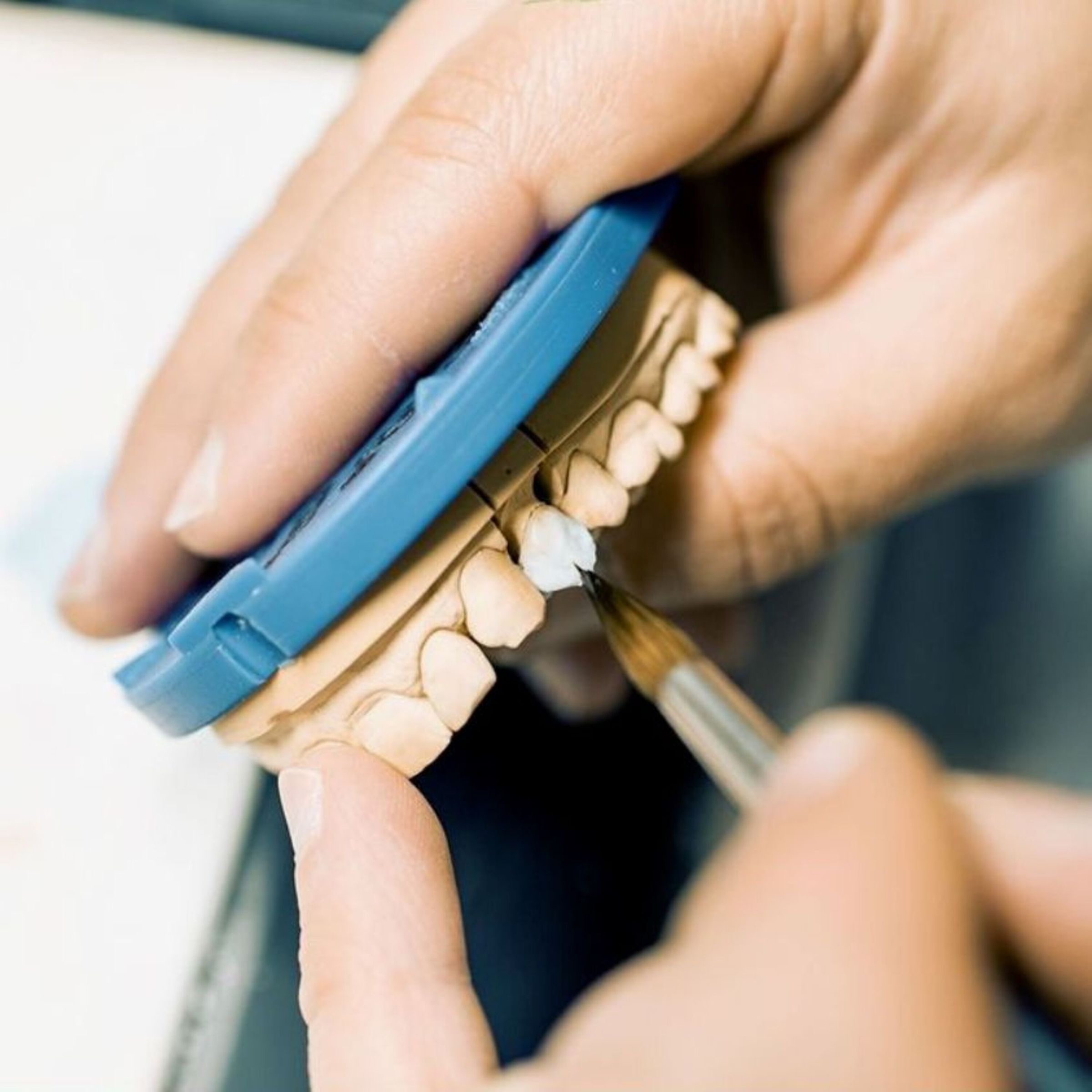
A veneer is a thin covering bonded to the front of a tooth using a dental adhesive. Veneers are used to change the appearance of a tooth, such as its shade, contour or length. They can be crafted from different materials; at our clinic, we use veneers made from lithium disilicate ceramic, a type of glass-ceramic.
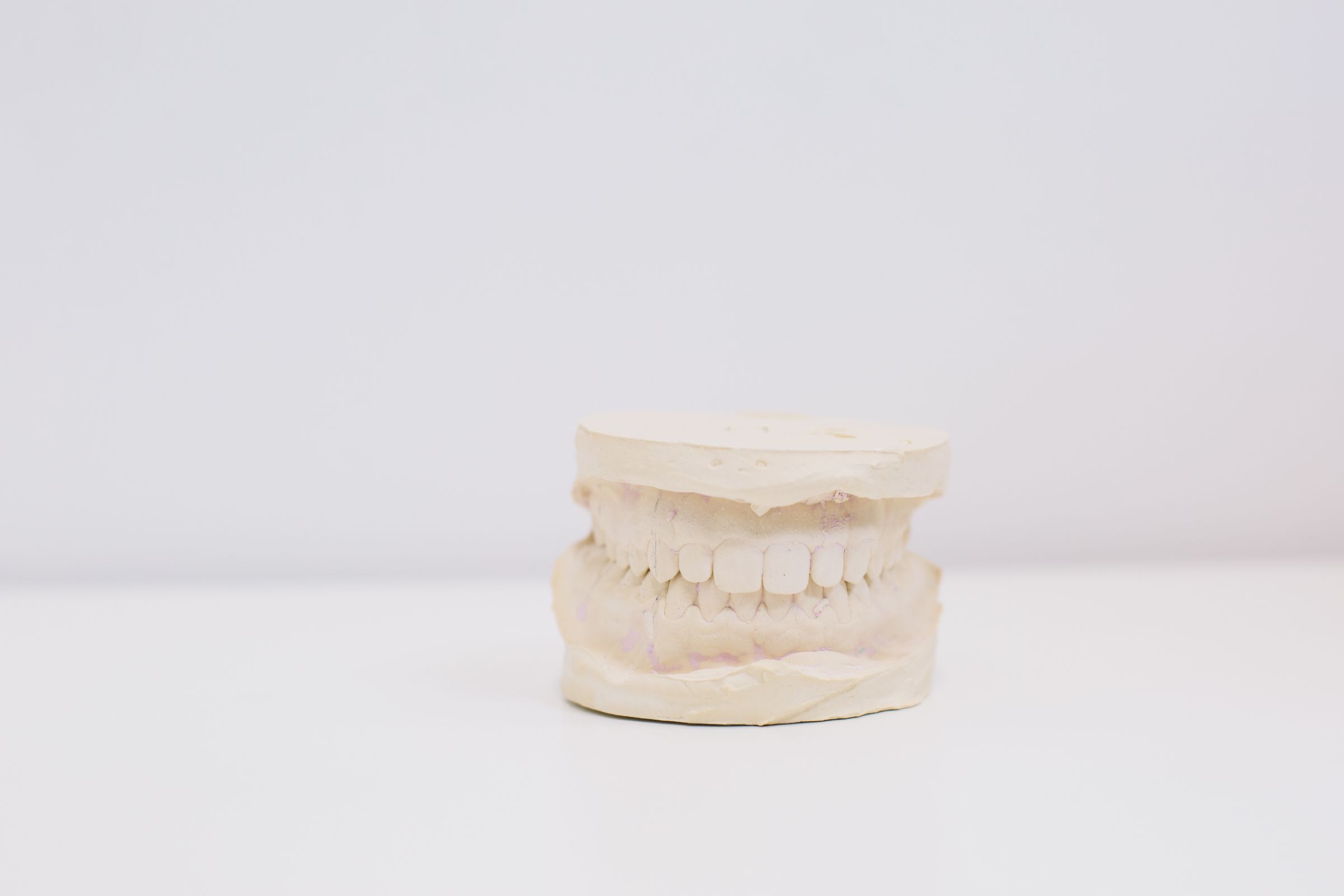
Each veneer is individually shaped to fit your tooth based on an impression or a digital scan. In most cases, your dentist removes a thin layer of enamel—the hard outer surface of the tooth—to create space so the veneer sits naturally. Your dentist will explain what this preparation means for your teeth before you decide.
Who it may be suitable for
Your dentist may discuss veneers with you if you have:
- teeth with discolouration that does not respond to teeth whitening
- chipped or slightly worn front teeth
- teeth that are uneven in shape or size
- small gaps between your front teeth
Veneers may not be suitable if you heavily grind or clench your teeth, or if a tooth has untreated decay, active gum disease or very little remaining enamel. Depending on your goals, your dentist may also discuss alternatives such as teeth whitening, composite bonding or orthodontic treatment. Your dentist assesses what is suitable during an examination.
How the process works
- Examination and discussion. Your dentist examines your teeth, gums and bite, and listens to what you would like to change.
- Planning. Your dentist explains the suitable options, the stages of treatment and any limitations.
- Preparing the teeth. Where required, your dentist removes a thin layer of enamel from the front of the tooth. Temporary veneers may be fitted while your final ones are being made.
- Impression or scan. Your dentist takes an impression or digital scan of your teeth.
- Making the veneers. Skilled technicians craft your custom veneers in a dental laboratory.
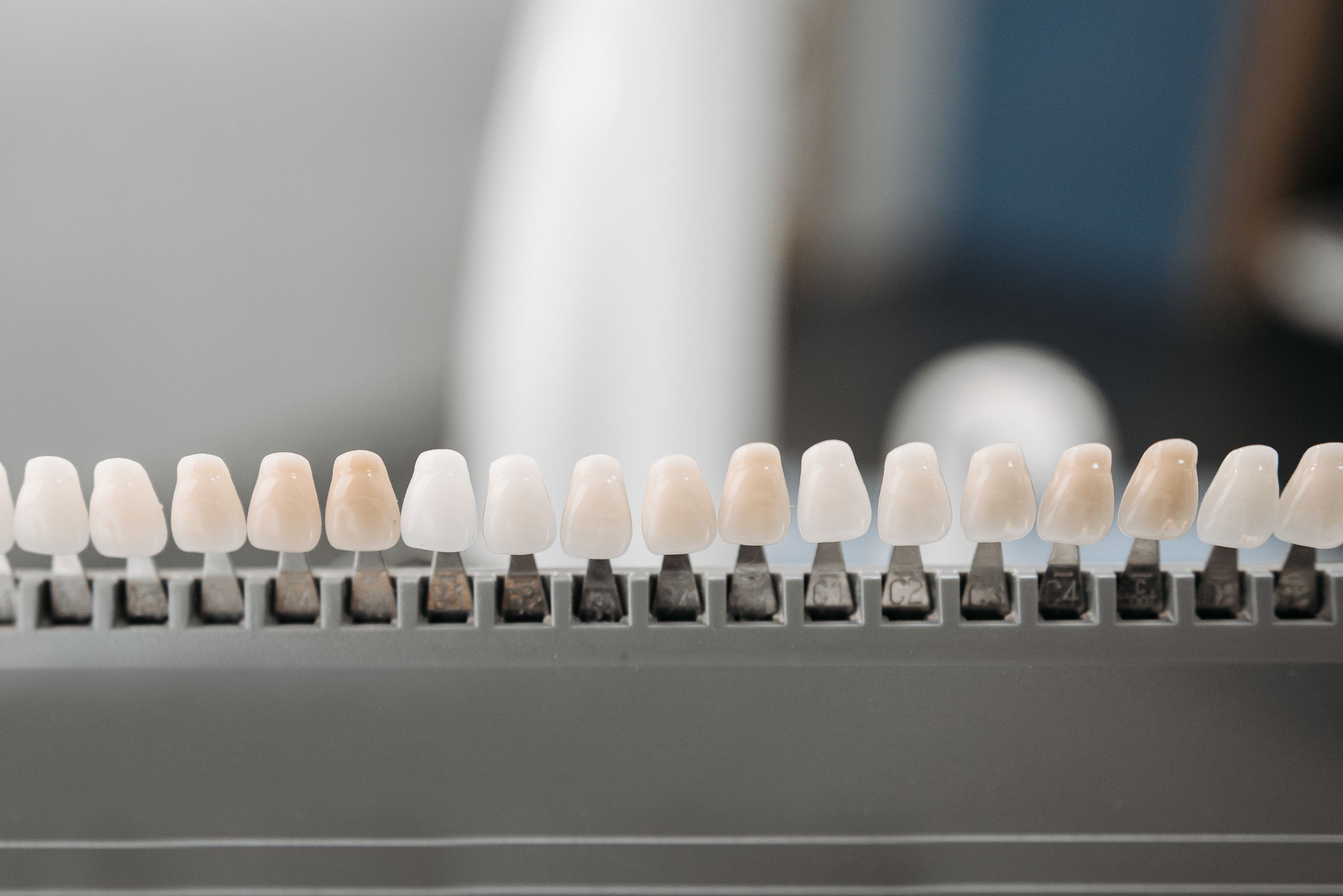
- Fitting. Your dentist checks the fit, shade and bite of each veneer before bonding it to your tooth with dental adhesive.
- Follow-up. Routine check-ups allow your dentist to check how your gums and veneers are settling.
The number of appointments depends on your individual treatment plan. Your dentist will give you an estimate after examining your teeth.
Possible risks and things to consider
Every dental treatment involves certain considerations and risks. Your dentist will talk you through those that apply to you before you decide.
- Preparing a tooth by removing enamel cannot be reversed. Once enamel is removed, the tooth will always need a veneer or another restoration to protect it.
- Your teeth may feel sensitive to hot and cold food or drink, particularly soon after the teeth are prepared.
- Like natural teeth, a veneer can chip, crack or come loose over time, and it may need repairing or replacing.
- Ceramic veneers do not change shade with teeth whitening treatments. Over time, your natural teeth may differ in colour from your veneers.
- Tooth decay or gum inflammation can develop around the edges of a veneer if plaque builds up, so thorough daily cleaning is important.
- Clenching or grinding your teeth increases the risk of chipping a veneer. If you grind your teeth, your dentist may recommend wearing a night guard while you sleep.
- How long veneers last depends on your oral health, your daily care at home and regular check-ups.
- Alternatives: teeth whitening, composite bonding, dental crowns, orthodontic treatment, or leaving the teeth as they are. Your dentist will explain how these compare.
After treatment
Your dentist will provide clear instructions on caring for your veneers. Brush and clean between your teeth gently every day, paying close attention to where the veneer meets the gumline. Avoid biting directly into very hard foods or objects, and keep up with your routine check-ups. Please contact us if you have any questions or if a veneer feels uneven or loose.
Frequently asked questions
Are veneers suitable for me?
This depends on the health of your teeth and gums, how your teeth bite together and what you hope to achieve. Your dentist will assess your mouth at an examination and advise you.
How many visits will I need?
The number of appointments depends on your treatment plan. Your dentist will provide an estimate after your initial examination.
Will I feel pain during treatment?
Before starting, your dentist will explain what you may feel during each stage and what to expect.
Can I whiten teeth with veneers?
Whitening products do not lighten the colour of ceramic veneers. If you are thinking about whitening your natural teeth, speak with your dentist before your veneers are made so the shade can be matched appropriately.
How long do veneers last?
There is no fixed timeframe. Their lifespan depends on your oral health, how well you look after your teeth at home, whether you clench or grind your teeth and regular dental check-ups.
What are the alternatives?
Your dentist will discuss other ways to address your concerns, as well as the option of having no treatment. Each approach has its own benefits and limitations.
Guides on this topic
Related treatments
Aesthetic dentistry
Aesthetic dentistry covers treatments designed to adjust the colour, shape or alignment of your teeth, such as whitening, composite bonding and veneers.
Read more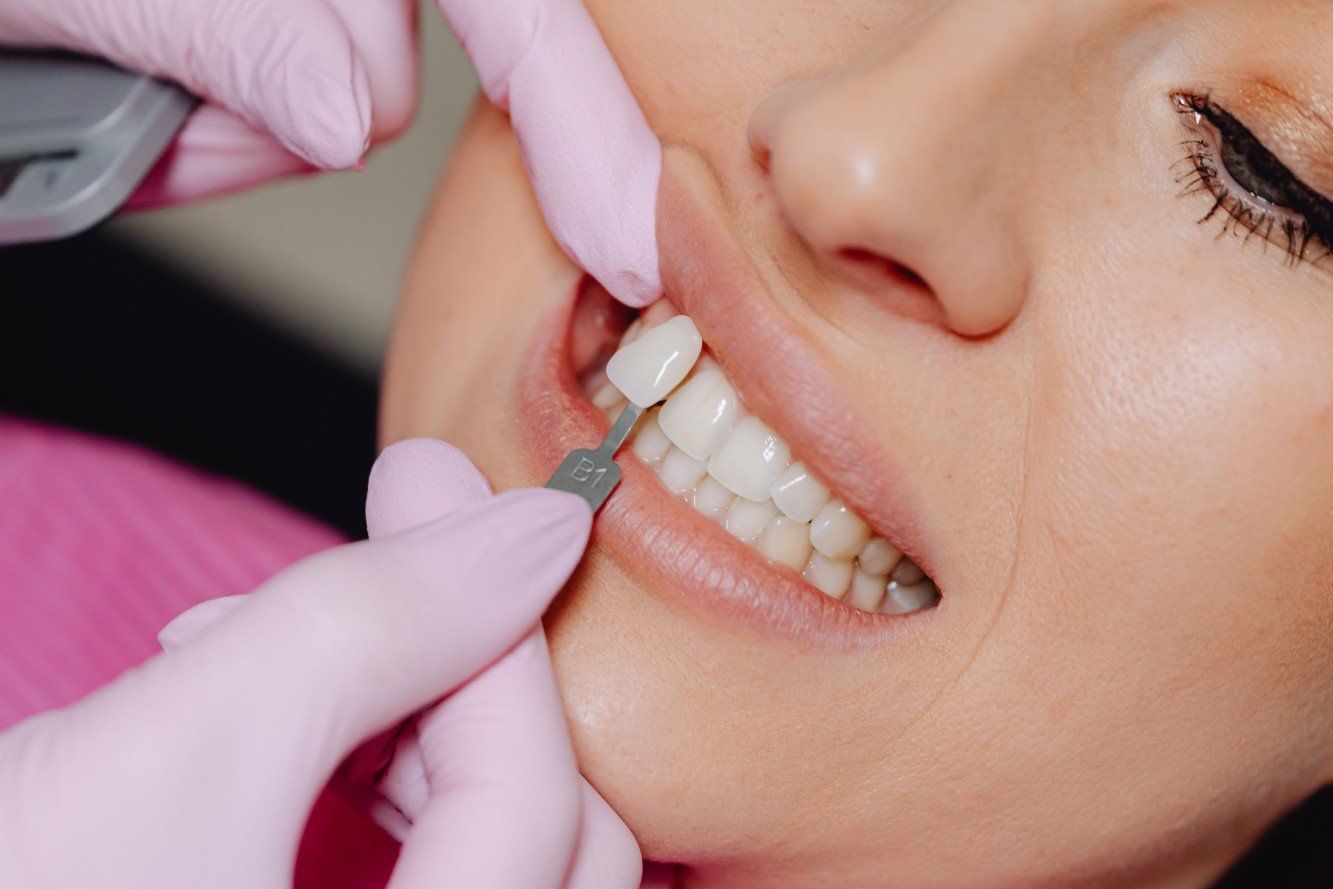
Teeth whitening
Teeth whitening is a dental treatment that uses a clinical bleaching agent to lighten the natural shade of your teeth.
Read more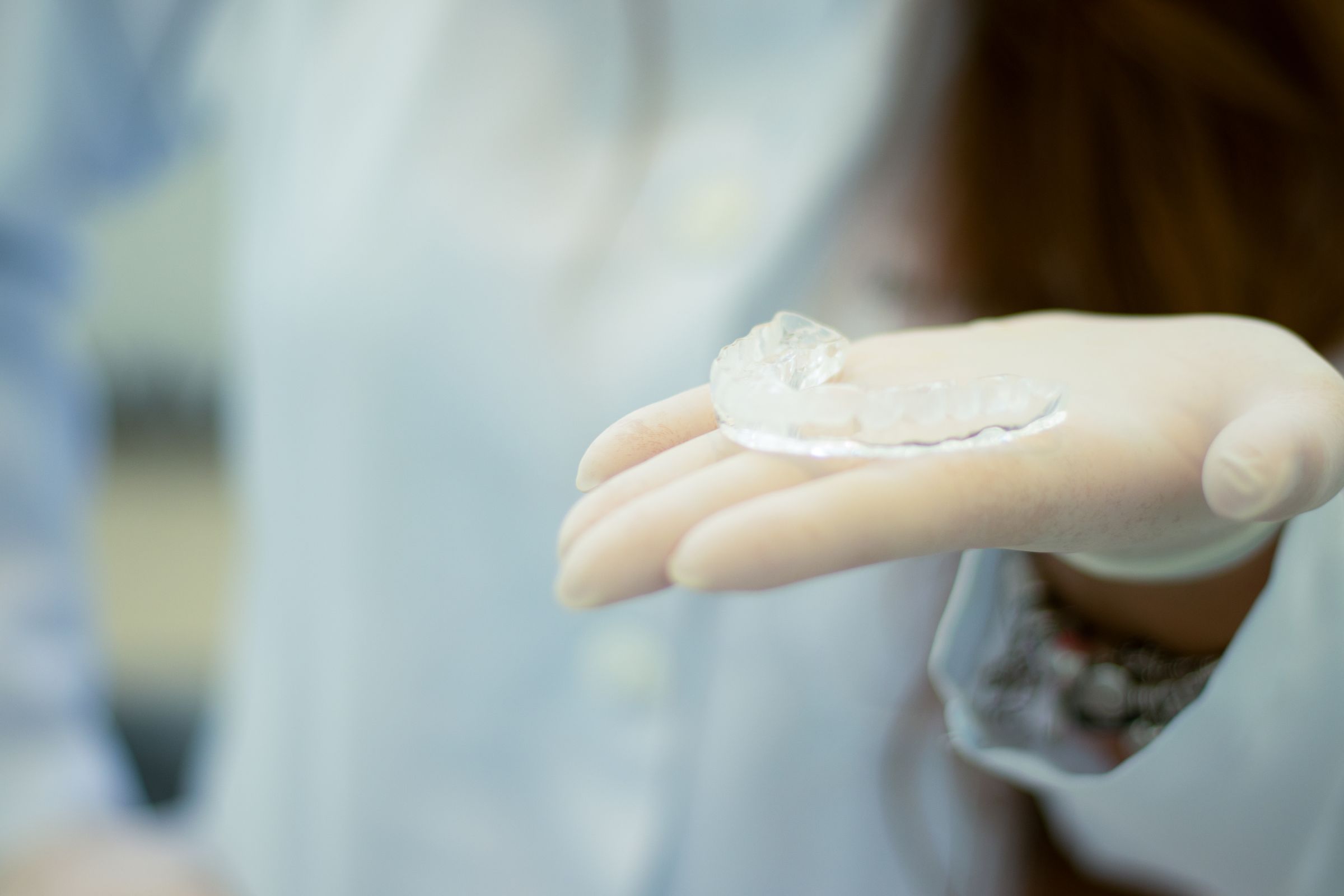
Teeth grinding and night guards
A night guard is a custom-made plastic cover worn over your teeth—usually while you sleep—to help protect them from the wear and pressure of grinding or clenching.
Read more
Next step
Your dentist assesses your situation during an examination and explains your options. You are welcome to request an appointment.
This page gives general information. It does not replace an examination by a dentist.