

Gum recession
Gum recession occurs when the gum tissue pulls back from a tooth, leaving more of the tooth—and sometimes its root—exposed.
Last updated:

What it is
Healthy gums normally sit snugly around each tooth and cover the root beneath the gumline. When the gum recedes, the root surface becomes exposed. Unlike the crown of the tooth, the root does not have a hard outer layer of enamel, which means it can feel sensitive and is more vulnerable to decay. Gum recession is common and usually develops gradually over time. To read about gum health and inflammation more broadly, see our page on gum (periodontal) treatment.
What causes gum recession?
Common factors include brushing too hard or using a stiff-bristled toothbrush, gum disease, crowded teeth or teeth positioned slightly outside the bone arch, clenching or grinding your teeth, smoking, and naturally thin gum tissue. Often, a combination of these factors is involved. Your dentist looks for the underlying cause during an examination.
What are the signs?
You might notice twinges of sensitivity to hot, cold or sweet food and drink, or even to cold air. Other signs include teeth that appear longer than before, a small notch or step felt near the gumline, or gums that bleed when brushing. Sometimes gum recession causes no discomfort at all, which is why routine dental check-ups are helpful.
Does gum recession grow back?
Receded gum tissue does not usually grow back on its own. However, your dentist can advise you on how to prevent it from progressing further and discuss treatments that may cover the exposed area.
Who it may be suitable for
Your dentist may discuss care or treatment for gum recession if you have:
- exposed tooth roots that feel sensitive or are developing root decay
- gum margins that continue to recede over time
- active gum inflammation alongside recession
- concerns about the appearance of a lengthened tooth, which your dentist can talk through with you
The right approach depends on what is causing the recession and how far the gum has moved back. Factors such as smoking, certain medical conditions and untreated gum disease can influence both your treatment options and how well the gums heal. Your dentist assesses this during your examination.
How the process works
- Examination. Your dentist asks about your medical history and daily brushing routine, examines your gums and gently measures the amount of recession. X-rays may also be taken to check the bone beneath.
- Explanation and plan. Your dentist explains what is contributing to the recession and outlines your options. Often, the first step is simply adjusting your brushing technique and monitoring the area.
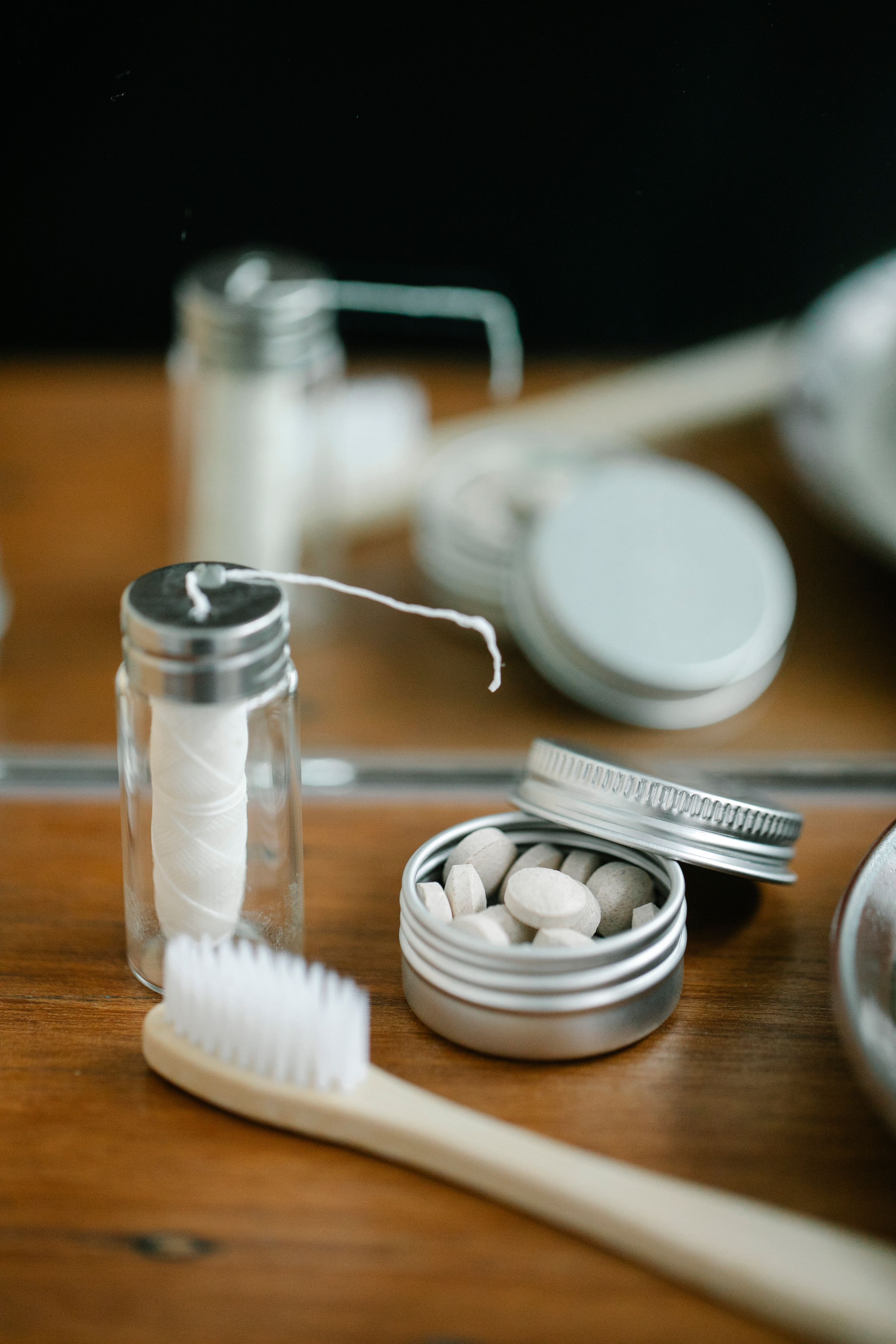
- Home-care advice. Your dentist demonstrates a gentle brushing technique, explains how to clean between your teeth carefully and may recommend a soft-bristled brush.
- Treating the cause. If gum disease, tooth grinding or tooth alignment is playing a role, your dentist addresses this—for example, by treating gum inflammation or suggesting a night guard to reduce pressure from grinding.
- Treating sensitivity. To ease root sensitivity, your dentist may recommend desensitising toothpaste, apply a protective varnish to the root or place a small tooth-coloured filling over a worn notch.
- Gum surgery, if suggested. In certain cases, your dentist may discuss a surgical procedure such as a gum graft, where a small piece of gum tissue is placed to cover the exposed root. Before any procedure, your dentist explains what you may feel and what to expect.
- Follow-up. Regular check-ups allow your dentist to check that the gumline remains stable.
The number of visits depends on your individual treatment plan. Your dentist will give you an estimate after your examination.
Possible risks and things to consider
Every dental treatment involves certain considerations and risks. Your dentist will explain those relevant to you before you decide.
- Gum recession can sometimes continue even after care, particularly if an underlying cause such as hard brushing or smoking persists.
- Desensitising varnishes or toothpastes may offer temporary relief and need ongoing use or reapplication.
- If you have gum surgery, it is normal to experience some discomfort, swelling or minor bleeding for several days, including at the site where graft tissue was taken.
- A gum graft may not heal with complete coverage of the root, and the final level of the gum can differ from expectations; occasionally, further care is needed.
- Surgical procedures can change the contour or appearance of the gumline, and a specific cosmetic outcome cannot be promised.
- Because exposed roots lack enamel, they remain prone to decay and require gentle, thorough daily cleaning.
- Alternatives: careful monitoring combined with gentler brushing, managing sensitivity with topical products, covering a worn root surface with a tooth-coloured filling material, or having no active treatment. Each option has benefits and limitations, which your dentist will explain.
After treatment
Your dentist will provide clear aftercare guidance. Use a soft toothbrush with gentle pressure, clean carefully between your teeth and follow any specific instructions regarding mouth rinses or caring for a healing surgical area. Keep up with your routine check-ups. Please contact us if you have questions, if sensitivity worsens, if swelling or bleeding continues after a procedure, or if a treated area feels unusual.
Frequently asked questions
What causes gum recession?
Brushing with too much force, gum disease, the position of the teeth in the jaw, clenching or grinding, and smoking are among the most common causes. Your dentist examines your mouth to identify what is contributing in your case.
Can gum recession be reversed?
Gum tissue that has pulled back does not normally grow back by itself. Your dentist can help you stop it from progressing and, where appropriate, discuss treatments designed to cover exposed roots.
Why are my teeth sensitive near the gum?
When the gum recedes, the root of the tooth is uncovered. Because the root does not have a protective coat of hard enamel, it reacts more easily to temperature and touch. Your dentist can suggest practical ways to calm this sensitivity.
Is a gum graft always needed?
No. Many people only need a gentler brushing method, sensitivity care and regular monitoring at check-ups. A gum graft is only suggested in selected cases after an assessment.
What will I feel during treatment?
Before any treatment starts, your dentist will explain what you may feel and what to expect at each step.
How can I stop it from getting worse?
Brush gently using a soft toothbrush, clean between your teeth daily, avoid smoking and attend regular dental check-ups. If you suspect you clench or grind your teeth, let your dentist know.
Guides on this topic
Related treatments
Gum (periodontal) treatment
Gum (periodontal) treatment cleans and cares for the gums and the supporting tissues around your teeth when they become inflamed or infected.
Read more
Check-ups and preventive care
A dental check-up is a regular examination of your teeth, gums and mouth. It often includes a professional clean and practical advice on how to care for your teeth at home.
Read more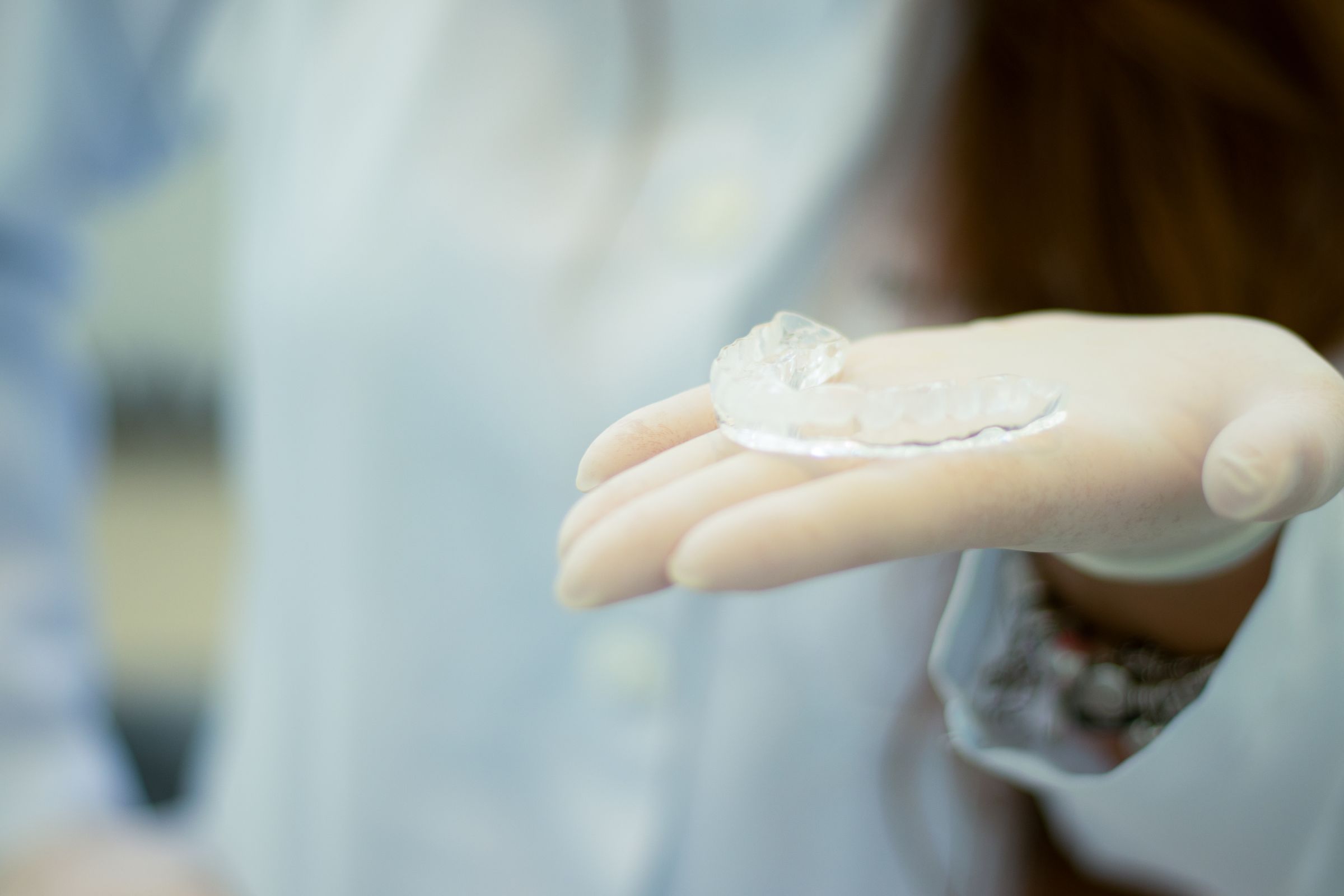
Teeth grinding and night guards
A night guard is a custom-made plastic cover worn over your teeth—usually while you sleep—to help protect them from the wear and pressure of grinding or clenching.
Read more
Next step
Your dentist assesses your situation during an examination and explains your options. You are welcome to request an appointment.
This page gives general information. It does not replace an examination by a dentist.