

Orthodontics and clear aligners
Orthodontic treatment guides teeth into new positions over time using fixed braces or removable clear aligners.
Last updated:

What it is
Orthodontic care applies light, controlled pressure to gradually move teeth through the bone. It is used to address crowded or crooked teeth, spaces between teeth and issues with how the upper and lower teeth come together when you bite.
We offer two main orthodontic approaches. Fixed braces use small brackets bonded to the teeth and connected by a thin wire that your dentist adjusts periodically. Clear aligners consist of a custom-made series of transparent plastic trays that fit snugly over your teeth; you take them out to eat and brush, and switch to the next set of trays in the sequence as your teeth shift.
Once active tooth movement is complete, your teeth need support to stay in their new positions while the surrounding gums and bone settle. This is done with a retainer—either a slim wire fixed discreetly behind the front teeth or a removable clear tray worn as instructed. Your dentist examines your teeth, jaws and bite to explain which approach is suitable for you.
Who it may be suitable for
Your dentist may discuss orthodontic treatment with you if you have:
- crowded, crooked or overlapping teeth
- noticeable gaps between your teeth
- an upper and lower bite that does not meet evenly
- teeth that have gradually shifted position over the years
Before starting orthodontic movement, your teeth and gums need to be healthy, so any tooth decay or gum inflammation is treated first. Orthodontic care also relies heavily on your day-to-day participation—attending regular check-up visits, keeping your teeth and appliances thoroughly clean, and, if you use clear aligners, wearing the trays for the recommended hours each day. Certain complex tooth movements are better suited to fixed braces than aligners, while other cases may call for a different approach altogether. Your dentist assesses your bite at an examination, listens to your preferences and explains the options.
How the process works
- Examination and records. Your dentist examines your teeth, jaws and bite, and takes diagnostic records such as x-rays, photographs and dental impressions or digital 3D scans.
- Explanation and plan. Your dentist explains the findings, outlines which appliance systems suit your bite and gives you an estimated timeframe for your treatment.
- Starting treatment. Your fixed brackets and wire are fitted to your teeth, or you receive your initial sets of clear aligners along with instructions on wearing and caring for them.
- Regular appointments. You visit the clinic at scheduled intervals so your dentist can check how your teeth are moving, adjust your braces or provide the next aligners in your series.
- End of active treatment. Once your teeth reach their planned positions, your braces are removed or you complete your final aligner trays.
- Retention. You wear retainers as advised by your dentist to hold your teeth steady in their new alignment.
The overall duration of orthodontic treatment varies widely depending on how far the teeth need to move. Your dentist will give you a tailored estimate after your assessment.
Possible risks and things to consider
Every dental treatment involves certain considerations and risks. Your dentist will talk you through those that apply to you before you decide.
- It is common for teeth to feel tender or achy for a few days after braces are first fitted, after wire adjustments or when changing to a new aligner tray. Fixed brackets can also initially rub the inside of your lips or cheeks.
- Fixed braces create small traps for food and plaque, making thorough brushing more challenging. Inadequate cleaning around brackets can lead to chalky white marks on the enamel, tooth decay or swollen gums.
- Removable clear aligners only work when worn consistently for the hours advised by your dentist. Leaving them out too often can slow progress or alter how the trays fit.
- Occasionally, the tips of the tooth roots can shorten slightly during orthodontic movement. Your dentist monitors root health with x-rays where necessary.
- Teeth have a natural tendency to drift back towards their original positions after treatment (known as relapse). Wearing your retainers long-term as instructed is essential to maintain your alignment.
- Clear aligners may slightly affect your speech for the first few days. Often, tiny tooth-coloured composite bumps (attachments) need to be bonded temporarily to certain teeth to help the trays grip and guide the movement.
- Alternatives: choosing a different orthodontic appliance, aiming for a more limited alignment goal, using restorative options such as veneers or crowns to alter tooth appearance without moving roots, or leaving your teeth as they are.
After treatment
Once active movement finishes, wearing your retainers as directed by your dentist is the key to keeping your teeth in place. Continue brushing and cleaning between your teeth carefully every day, and attend your routine dental check-ups. Because retainers can gradually wear down, crack or come unbonded over time, please contact us promptly if you have any questions or if your retainer feels loose or no longer fits properly.
Frequently asked questions
Is orthodontic treatment suitable for me?
Suitability depends on the health of your teeth and gums, the structure of your jaws and how your bite meets. Your dentist will assess these factors during an examination and explain your options.
How is the method chosen?
During your assessment, your dentist evaluates the specific movements your teeth need and discusses your daily routine and preferences. They then explain whether fixed braces, clear aligners or both would work well in your case, along with the pros and cons of each.
How long does treatment take?
Treatment length varies from person to person depending on the complexity of the bite and how the teeth respond. Your dentist will provide an estimated timeline after completing your examination and records.
Will I feel pain during treatment?
Before you begin, your dentist will explain what sensations to expect when appliances are fitted and adjusted.
Do I need to wear a retainer afterwards?
Yes. Because teeth naturally tend to shift back after active movement, retainers are a vital part of every orthodontic treatment plan. Your dentist will explain which type of retainer suits your teeth and how long you should wear it.
What are the alternatives?
Your dentist will discuss alternative appliance options, restorative approaches or the choice of having no treatment at all. Each path has its own advantages and limitations.
Related treatments
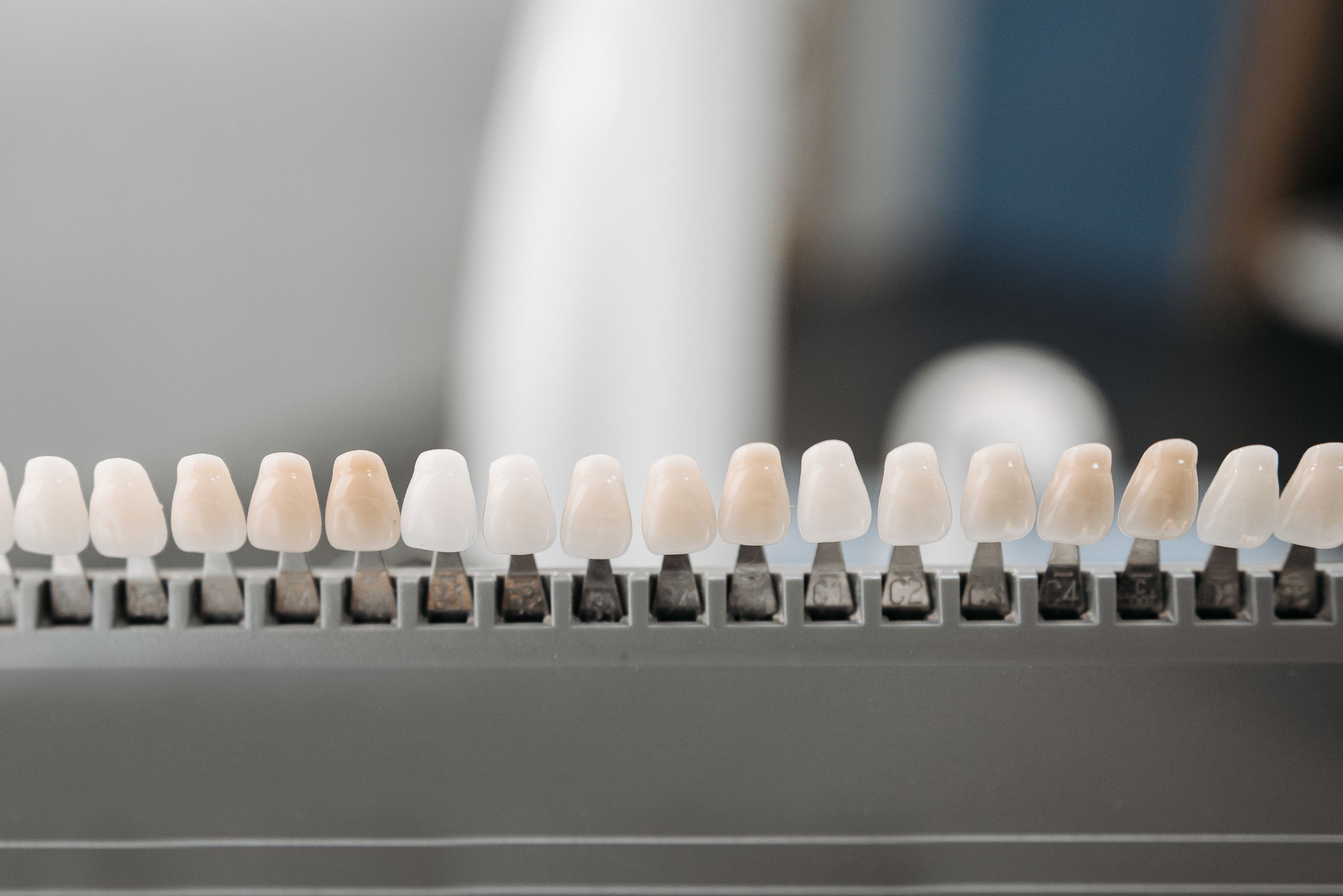
Aesthetic dentistry
Aesthetic dentistry covers treatments designed to adjust the colour, shape or alignment of your teeth, such as whitening, composite bonding and veneers.
Read more
Children's dentistry
Children’s dentistry focuses on caring for the teeth and gums of children and teenagers from age 7, from routine check-ups to everyday dental treatments.
Read more
Check-ups and preventive care
A dental check-up is a regular examination of your teeth, gums and mouth. It often includes a professional clean and practical advice on how to care for your teeth at home.
Read more
Next step
Your dentist assesses your situation during an examination and explains your options. You are welcome to request an appointment.
This page gives general information. It does not replace an examination by a dentist.