

Dental cleaning and tartar removal: what to know
A professional dental cleaning removes built-up plaque and hardened tartar from your teeth, including tight areas around the gum line that a toothbrush cannot reach. When carried out properly on healthy teeth, professional cleaning is not expected to harm your tooth enamel (the hard outer shell of the tooth). Your dentist will advise you on how often a cleaning is helpful for your mouth.
Last updated:
What are plaque and tartar?
Plaque is a soft, sticky film of bacteria that constantly forms on teeth throughout the day. If plaque is not brushed and flossed away, minerals in your saliva cause it to harden into tartar (also known as dental calculus). Tartar bonds firmly to the tooth surface along and just below the gum line. Once formed, it cannot be brushed off at home and can irritate the surrounding gums.
What happens during a professional cleaning?
- Your dentist or dental hygienist examines your teeth and gums to see where plaque and tartar have collected.
- Hardened tartar is removed using fine hand instruments or an ultrasonic scaler, which uses high-frequency vibrations and a spray of water to loosen deposits.
- Your teeth are polished with a paste to lift surface stains and leave the enamel smooth.
- You receive tailored advice on brushing techniques and cleaning the spaces between your teeth at home.
Does cleaning damage the teeth?
A common concern is that professional scaling scratches enamel or loosens teeth. In reality, a properly performed cleaning is not expected to damage healthy tooth enamel. Afterwards, you might notice temporary sensitivity to cold food or drink, and the spaces between your teeth may feel slightly more open—simply because the bulky tartar that was covering the tooth surfaces and puffing up the gums has been cleared away. Please let your dentist know beforehand if your teeth are prone to sensitivity.
Why do my gums bleed after cleaning?
If your gums were already swollen and inflamed from sitting against plaque and tartar, they may bleed slightly or feel tender for a short time after a cleaning. This tenderness usually settles down quickly as your gums recover and you keep the area clean at home. If bleeding or soreness persists, please contact your dentist. You can read more about caring for inflamed gums on our gum treatment page.
How often do I need a cleaning?
There is no single schedule that fits everyone. How often you need a professional cleaning depends on how quickly tartar builds up in your mouth, the condition of your gums, your home cleaning routine and whether you smoke. Your dentist will recommend a timeframe suited to you after examining your teeth.
Can I remove tartar at home?
No. Thorough daily brushing and cleaning between your teeth remove soft plaque and help slow down new tartar build-up, but once tartar has hardened onto a tooth, it requires a dentist or hygienist to remove it. Metal scrapers or scaling tools sold for home use can easily slip and injure your gums or scratch your tooth roots.
What does a cleaning not do?
A routine scale and polish cleans the surfaces of your teeth, but it does not repair tooth decay or cure advanced gum disease. If your dentist spots a cavity during your visit, you may need a dental filling. If they find deeper gum pockets caused by gum disease, they may suggest a more thorough, targeted gum treatment.
Who may need extra care?
Before your cleaning begins, please tell your dentist if you have a heart condition, an artificial joint, a bleeding disorder, if you take blood-thinning medication, if you are pregnant, or if your teeth are very sensitive. This allows your dentist to adapt the procedure to your needs. If you have dental crowns, fillings or implants, your dentist will use instruments specifically suited to cleaning around those materials.
When to see a dentist
Attending regular check-ups allows your dentist to let you know when a professional cleaning is due. You should also book an appointment if your gums bleed frequently when brushing, if you have persistent bad breath, or if you can see hard yellowish or brown deposits along your gum line. This guide provides general information only and does not replace a clinical examination by a dentist.
Related treatments
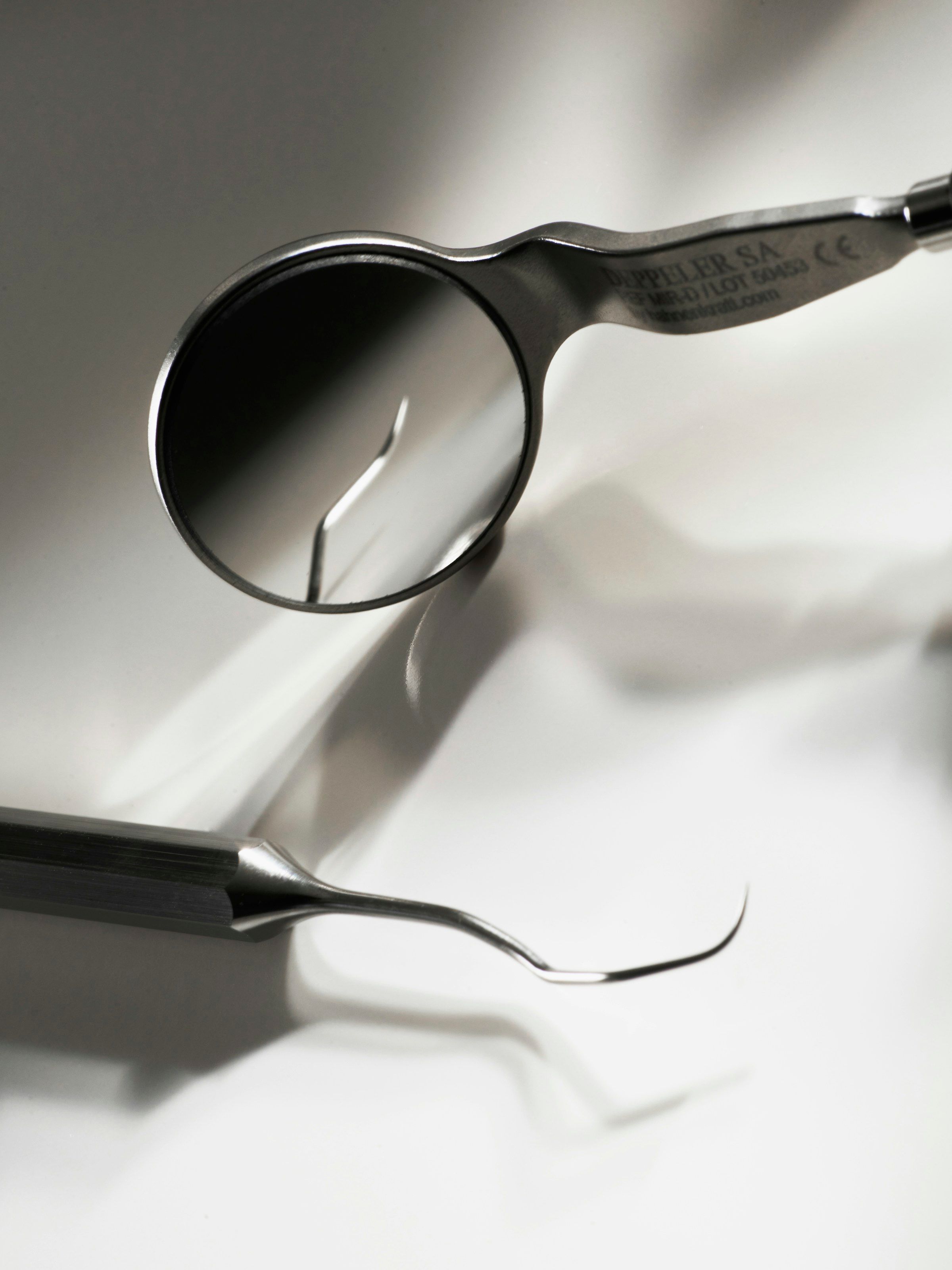
Check-ups and preventive care
A dental check-up is a regular examination of your teeth, gums and mouth. It often includes a professional clean and practical advice on how to care for your teeth at home.
Read more
Gum (periodontal) treatment
Gum (periodontal) treatment cleans and cares for the gums and the supporting tissues around your teeth when they become inflamed or infected.
Read more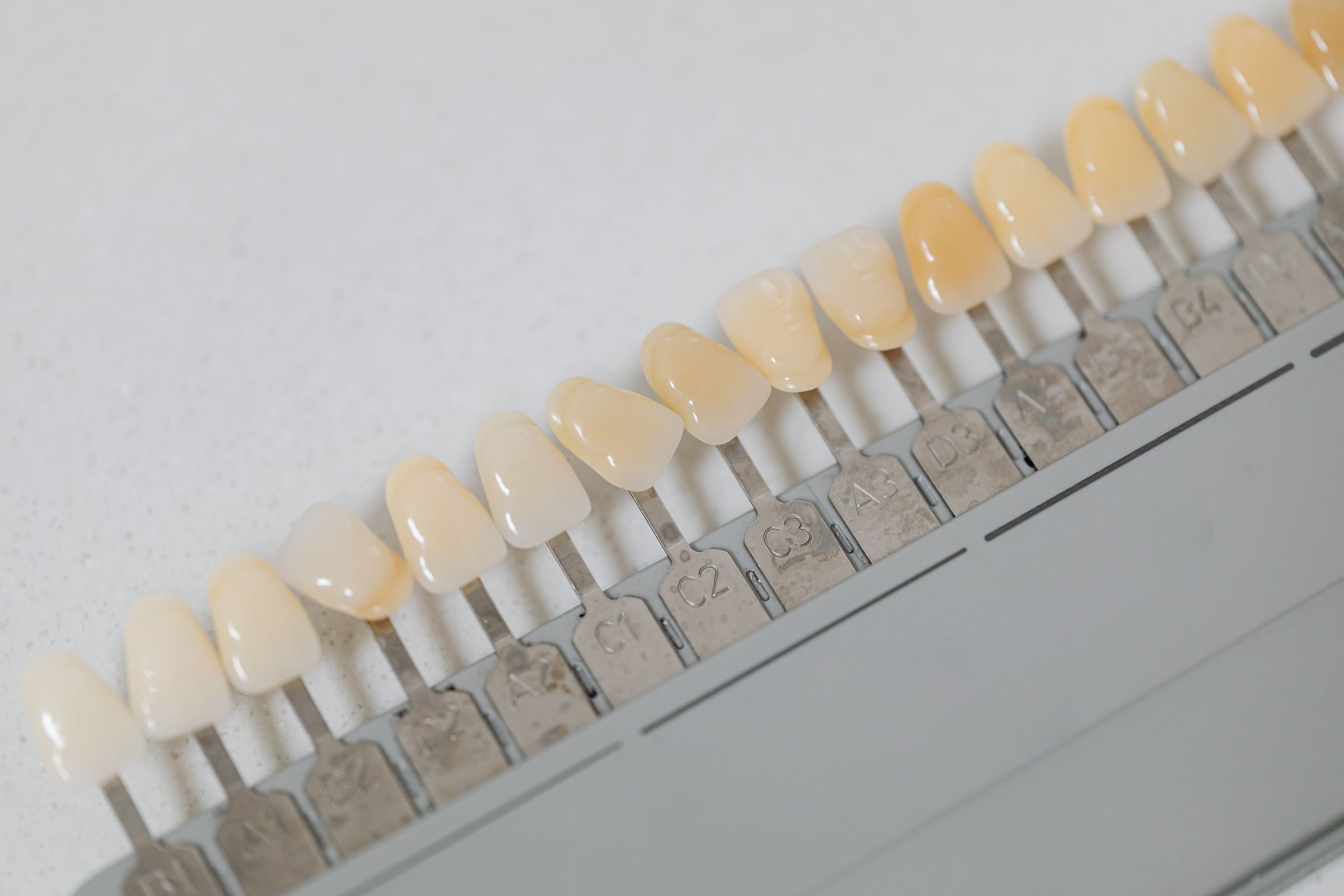
Dental fillings
A dental filling repairs a tooth damaged by decay or a minor chip by replacing the lost structure with a dental filling material.
Read more
Plan your visit
Request an appointment for a time that suits you. We reply during our opening hours.
This page gives general information. It does not replace an examination by a dentist.