

Dental fillings
A dental filling repairs a tooth damaged by decay or a minor chip by replacing the lost structure with a dental filling material.
Last updated:
What it is
A filling restores the normal shape and function of a damaged tooth. Your dentist removes the decayed or weakened area, cleans the space and fills it.
What is decay?
Tooth decay, also called a cavity, is damage to a tooth caused by acids produced by bacteria. It starts in the hard outer layer of the tooth, called enamel, and if it is not treated, it can progress to the softer layer under the enamel and then to the nerves of the tooth.
What is a tooth-coloured filling?
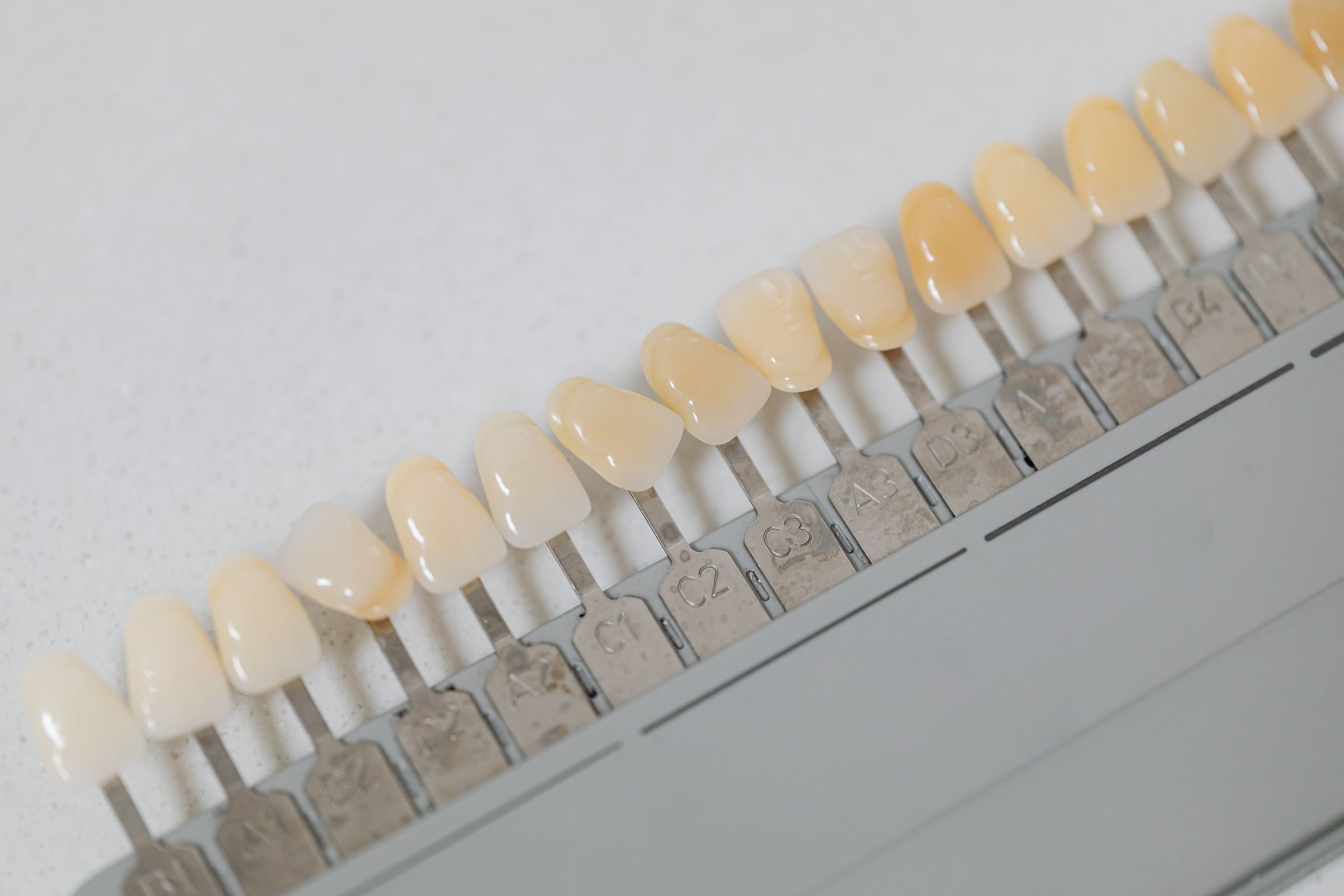
A tooth-coloured filling is made from composite, a mixture of resin and fine glass-like particles. Your dentist places the soft material into the prepared tooth and hardens it using a special light. The shade is chosen to blend in with your natural tooth colour.
What are inlays and onlays?
Inlays and onlays are custom-made fillings produced outside the mouth—usually in a dental laboratory—and then bonded to the tooth. They are often considered when a larger section of the tooth is damaged. Your dentist will explain if this option is suitable for your tooth.
When is a filling not enough?
If a large portion of the tooth is missing, a standard filling may not offer enough strength. In that case, your dentist may suggest a crown. If decay has reached the nerve inside the tooth, root canal treatment may be necessary. Your dentist will explain your options after an examination and an x-ray.
Who it may be suitable for
Your dentist may recommend a filling if:
- a tooth has a cavity caused by decay
- a tooth has a small chip or crack
- an existing filling is worn, cracked or has new decay around its edges
- a tooth surface is worn down and needs rebuilding
You might notice sensitivity to hot, cold or sweet food and drink, or feel a rough edge or hole with your tongue. However, early decay often causes no symptoms at all, which is why routine check-ups are helpful. Your dentist will assess your teeth during an examination.
How the process works
- Examination and x-ray. Your dentist checks the tooth and may take an x-ray to see the extent of the decay.
- Explanation. Your dentist explains what they have found and discusses your options, as well as what you may feel and expect during the procedure.
- Preparing the tooth. The decayed or damaged part of the tooth is removed.
- Placing the filling. The filling material is placed, shaped to match your tooth and hardened.
- Checking the bite. Your dentist checks that your teeth come together comfortably and polishes the filling.
- Follow-up. Routine check-ups allow your dentist to monitor the filling and the tooth over time.
Replacing an older filling follows the same process, starting with the removal of the old material. An inlay or onlay usually needs more than one appointment. Your dentist will give you an estimate after your examination.
Possible risks and things to consider
Every dental treatment has possible risks. Your dentist will explain those that apply to your tooth before you decide.
- Your tooth may feel sensitive to hot, cold or pressure when biting for a period after treatment.
- Over time, a filling can chip, crack or come loose, and it may need repairing or replacing.
- New decay can form around the edge of a filling. Good daily cleaning and regular check-ups help your dentist spot this early.
- If the decay was close to the centre of the tooth, the nerve may become irritated and need further treatment later on.
- How long a filling lasts depends on its size, your general oral health, your home care routine and regular check-ups.
- Alternatives: monitoring a tiny area of early decay, fitting an inlay, onlay or crown, or removing the tooth. Each option has benefits and limitations, which your dentist will explain.
After treatment
Your dentist will give you clear aftercare advice. Take care when chewing until normal feeling returns to your mouth. Continue brushing and cleaning between your teeth as usual, and attend your regular check-ups. Please contact us if you have questions, if your bite feels uneven or if discomfort persists.
Frequently asked questions
What is the difference between a filling and a crown?
A filling repairs a specific part of a tooth, whereas a crown covers the entire visible surface of the tooth. Your dentist will advise which option suits your tooth after an examination.
Will I need an x-ray?
In many cases, yes. X-rays help show hidden decay between teeth or beneath existing fillings. Your dentist will explain why an x-ray is needed before taking one.
What will I feel during treatment?
Before starting, your dentist will explain what you may feel and what to expect during the appointment.
Can an old filling be replaced?
Yes, if an examination shows that it is worn, cracked or has decay around it. Your dentist will check your existing fillings and explain whether any need attention.
How long does a filling last?
There is no fixed timeframe. Its lifespan depends on the size of the filling, your oral health, how well you clean your teeth at home and regular dental check-ups.
How many visits will I need?
This depends on the type of filling and your overall treatment plan. Your dentist will give you an estimate after examining your teeth.
Related treatments
Check-ups and preventive care
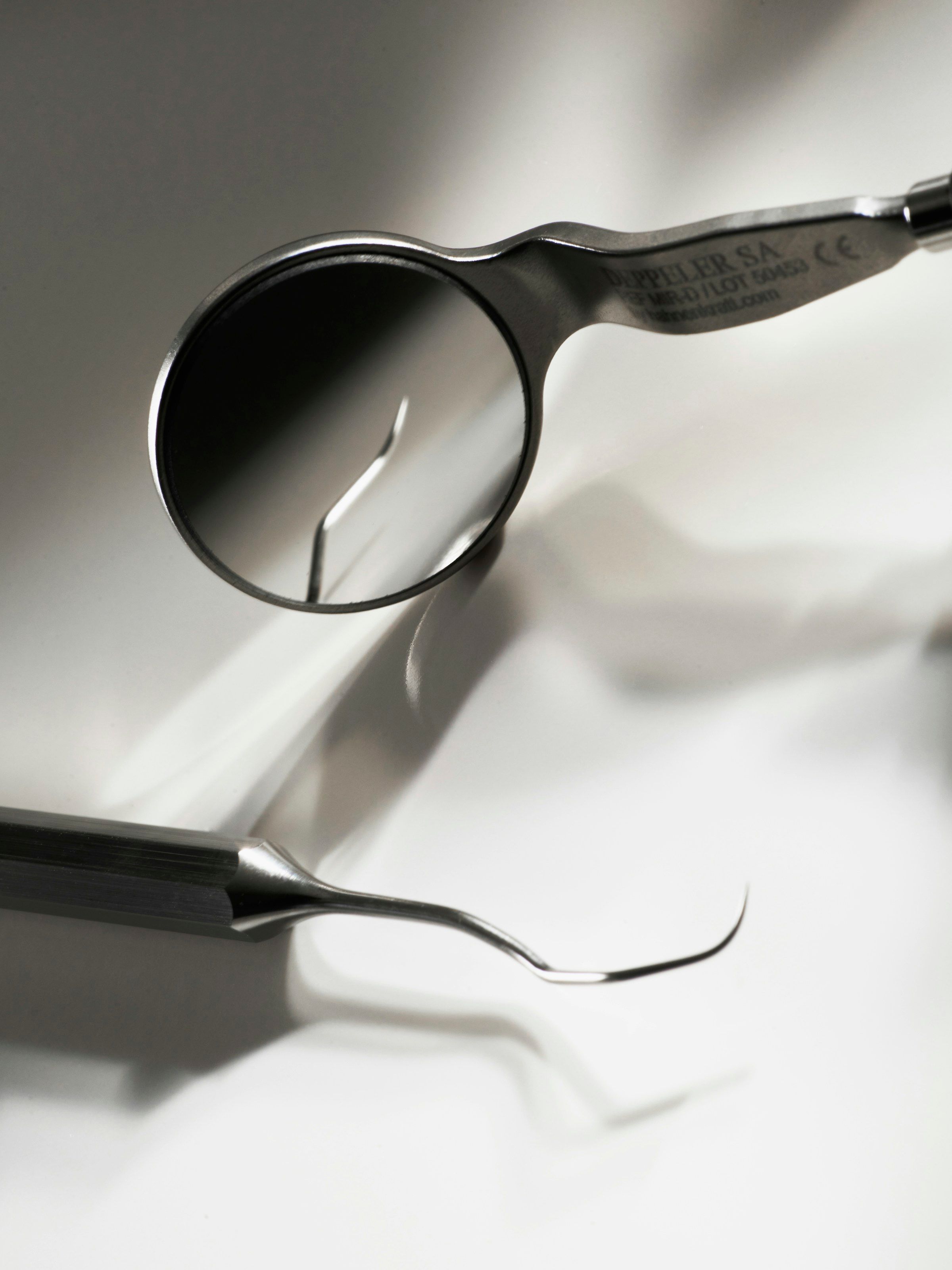
A dental check-up is a regular examination of your teeth, gums and mouth. It often includes a professional clean and practical advice on how to care for your teeth at home.
Read more
Root canal treatment
Root canal treatment removes inflamed or infected tissue from the inside of a tooth, cleans the internal channels and seals the space so the tooth can be kept.
Read more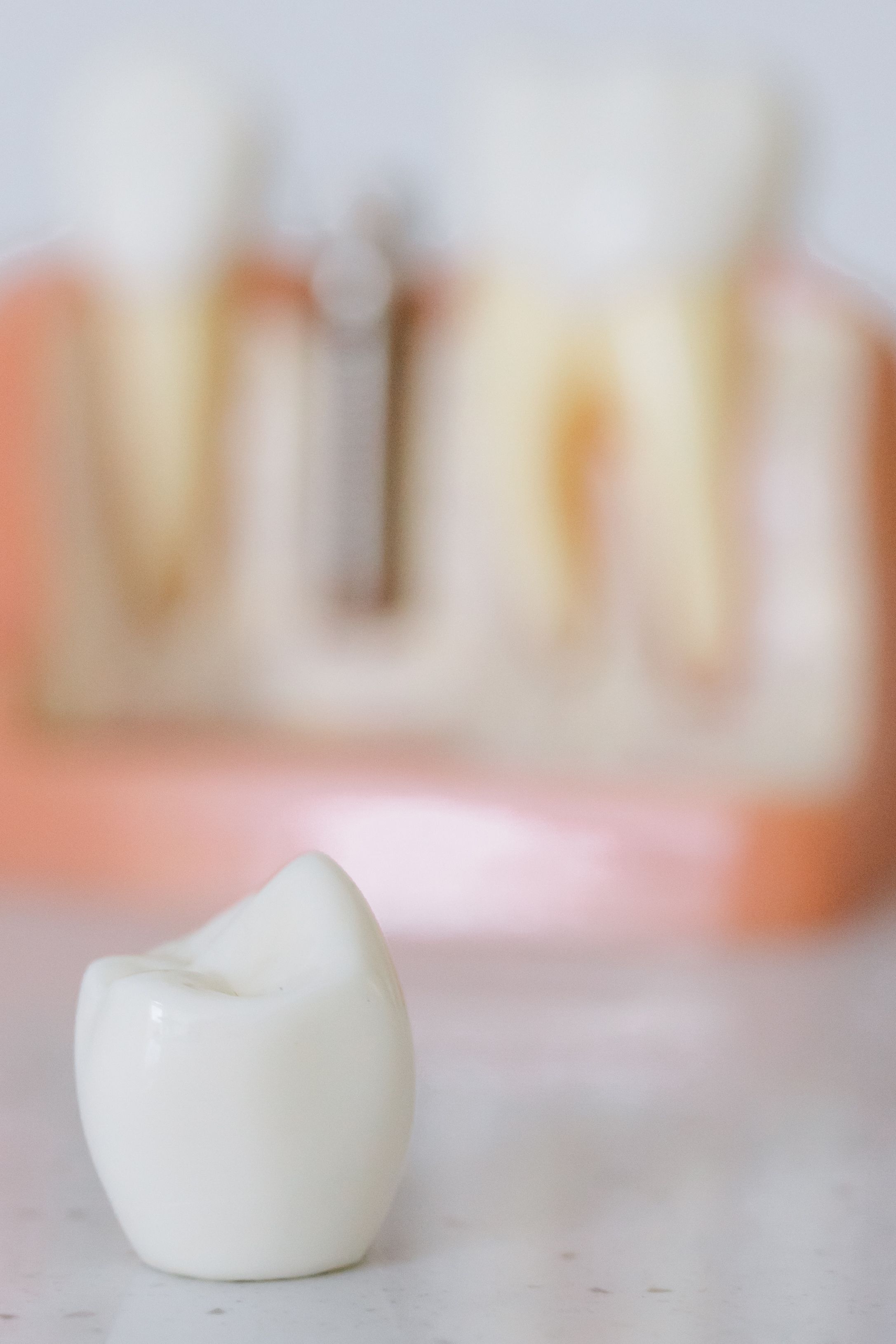
Zirconia and porcelain crowns
Dental crowns and bridges repair damaged teeth or replace missing ones. Zirconia and porcelain are strong, tooth-coloured ceramic materials commonly used to craft them.
Read more
Next step
Your dentist assesses your situation during an examination and explains your options. You are welcome to request an appointment.
This page gives general information. It does not replace an examination by a dentist.