

Wisdom tooth removal
Wisdom tooth removal is a surgical or routine procedure to take out one or more of the third molars at the back of the mouth when they cause problems or are likely to do so.
Last updated:
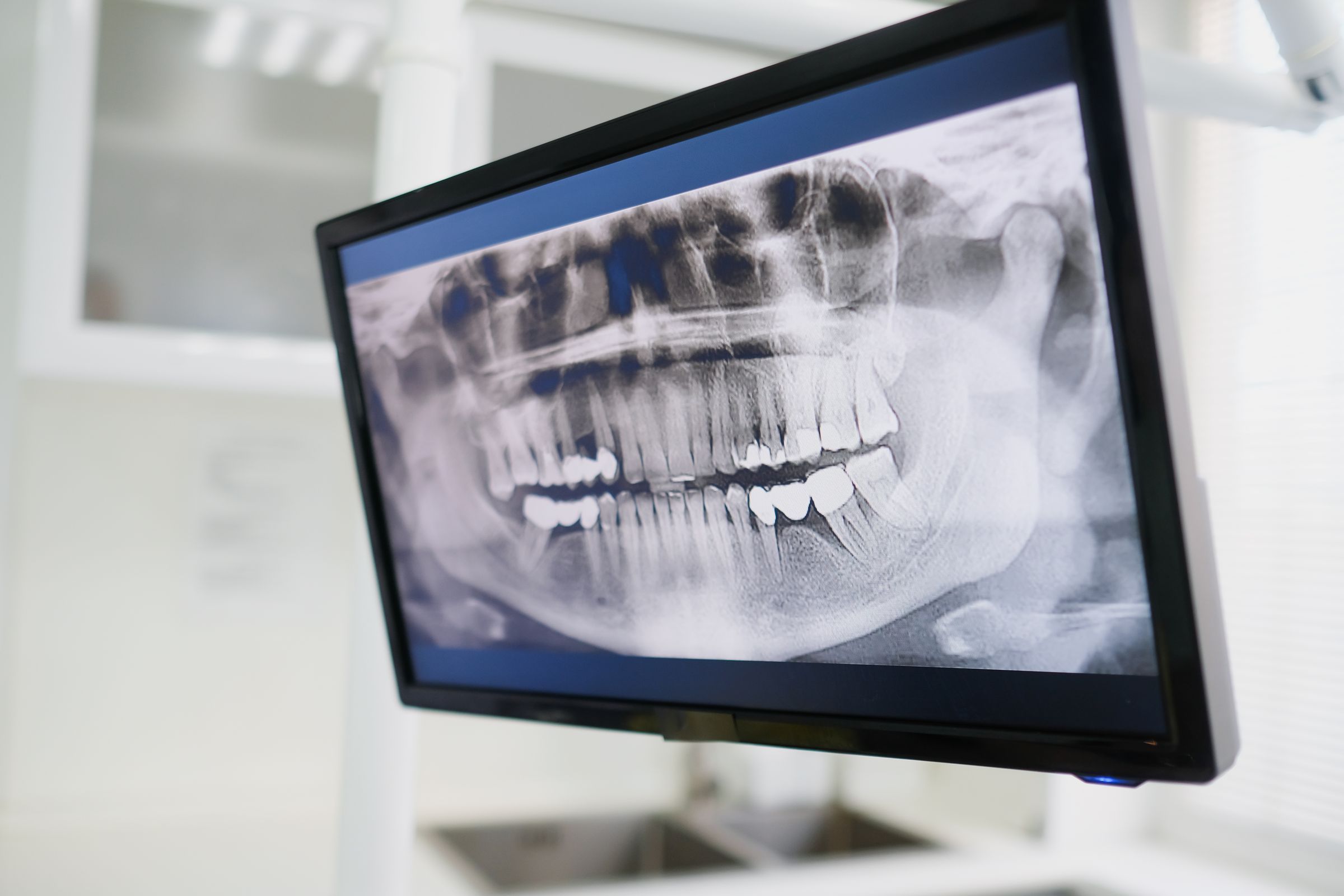
What it is
Wisdom teeth are the last adult teeth to develop, usually coming through the gums in your late teens or early twenties. While most people have four wisdom teeth—one in each back corner—some people have fewer, and some have none at all. Removing a wisdom tooth is a common type of dental extraction; you can also read our general guide to tooth extraction and oral surgery.
What is an impacted wisdom tooth?
A wisdom tooth is described as impacted when there is not enough space in the jaw for it to come through into a normal position. It may remain completely hidden beneath the gum and jawbone, or it may grow at an angle and break through the gum only partially. Because a partly erupted wisdom tooth is covered by a flap of gum and sits far back in the mouth, it is very difficult to brush clean, allowing food particles and bacteria to collect easily around it.
Why may a wisdom tooth be removed?
Your dentist may recommend removing a wisdom tooth if the gum around it repeatedly becomes swollen or infected, if the tooth causes ongoing pain, if it develops deep decay that cannot be filled reliably, if it presses against and damages the neighbouring molar, or if removal is needed as part of orthodontic or surgical care.
Does every wisdom tooth need to be removed?
No. A wisdom tooth that has come through straight, bites normally against the opposite tooth, is free of decay and can be brushed thoroughly every day does not usually need to be removed. Your dentist can simply check it at your routine visits and explain the reasons for either monitoring or removing it.
Who it may be suitable for
Your dentist may discuss wisdom tooth removal with you if you have:
- aching, throbbing pain or swelling at the back of your jaw
- a partly erupted wisdom tooth where the surrounding gum keeps becoming sore and inflamed
- tooth decay in the wisdom tooth itself or on the back surface of the molar directly in front of it
- an impacted wisdom tooth pressing against neighbouring roots or associated with a fluid-filled sac (a dental cyst) in the jawbone
Certain medical conditions and regular medicines—such as blood-thinning medications—can affect oral surgery and healing. Please tell your dentist about your medical history and any medicines you take so they can assess your situation during your examination.
How the process works
- Examination and imaging. Your dentist examines your mouth and takes a dental x-ray—or, where the roots sit close to a nerve or sinus, a 3D scan—to see the exact angle of the tooth, the shape of its roots and nearby structures.
- Explanation and plan. Your dentist talks you through the scan findings, explains how the tooth would be removed, and discusses the possible risks as well as alternatives such as careful monitoring.
- The procedure. Your dentist removes the wisdom tooth. Before starting, they explain what you may feel and how your comfort will be managed. If the tooth is impacted beneath the gum or bone, your dentist may open the gum tissue and divide the tooth into smaller sections so it can be lifted out smoothly. Dissolvable or removable stitches are often placed to help the gum heal.
- Aftercare instructions. Your dentist explains how to look after the healing socket at home and gives you clear aftercare advice.
- Healing and review. Your dentist may arrange a follow-up visit to check how the gum is healing and to check or remove any stitches.
The number of appointments depends on your individual treatment plan. Your dentist will give you an estimate after your initial examination.

Possible risks and things to consider
Every surgical procedure carries possible risks. Your dentist will explain those that apply to your specific tooth before you decide.
- Discomfort, facial swelling, mild bruising on the cheek and stiffness when opening your mouth are common for several days after wisdom tooth removal.
- Slight bleeding or redness in your saliva can continue for a short period after the procedure.
- An infection can occasionally develop in the gum or bone while the area heals.
- Dry socket: if the protective blood clot inside the empty tooth socket dislodges or breaks down too early, the underlying bone is exposed, causing a dull, aching pain a few days after the extraction. Smoking significantly increases the risk of dry socket.
- Lower wisdom tooth roots often lie close to nerves that supply sensation to your lower lip, chin and tongue. If a nerve is bruised or stretched during removal, it can cause tingling, numbness or altered feeling. In most cases this is temporary and resolves over weeks or months, though in some cases it can be longer-lasting. X-rays and 3D scans help your dentist assess how close the nerve sits beforehand.
- Upper wisdom teeth sit close to the floor of the sinus cavity, which can occasionally be affected during extraction. Neighbouring teeth or large fillings next to the wisdom tooth can also sometimes be affected.
- Alternatives: keeping the wisdom tooth under observation at regular check-ups, gently cleaning around the gum flap, or managing a flare-up of gum infection with cleaning and antibacterial rinses without removing the tooth. Your dentist will explain the benefits and limitations of each option, including choosing not to have treatment.
After treatment
Your dentist will provide clear aftercare guidance covering how to keep your mouth clean, which soft foods and cool drinks to choose over the first few days, and habits to avoid (such as smoking, drinking through a straw or spitting forcefully, which can disturb the blood clot). Follow this advice carefully and attend your review appointment. Please contact us if you have questions, if bleeding does not settle, if swelling increases after the first few days, if pain worsens rather than improves, or if you develop a fever. For heavy bleeding that you cannot control with firm pressure on a clean gauze pad, please call 112.
Frequently asked questions
Do I have to have my wisdom teeth removed?
Not necessarily. Dentists generally recommend removing a wisdom tooth only when it is already causing trouble or shows clear signs on an x-ray that it is likely to harm the tooth or bone around it. Healthy wisdom teeth that have room to grow and can be kept clean usually only need routine monitoring.
What will I feel during treatment?
Before the procedure begins, your dentist will explain what sensations you may notice and what to expect during the appointment.
How long does recovery take?
Recovery varies from person to person and depends on whether the wisdom tooth was fully through the gum or deeply impacted. Your dentist will explain what recovery is likely to look like in your case.
What is dry socket?
Dry socket occurs when the blood clot that normally fills and protects the empty socket after an extraction is lost before new tissue has formed. It typically causes a throbbing pain starting a few days after the tooth is removed. If you notice this, please contact the clinic so your dentist can dress the socket to ease the discomfort.
Can removal affect a nerve?
In some cases, yes. The roots of lower wisdom teeth can sit very close to the sensory nerves serving the lower lip, chin and tongue. Your dentist checks the exact position on your x-ray or scan before treatment and explains the level of risk for your tooth.
Should I stop taking my medicines before removal?
Do not stop taking any prescribed medicine unless your medical doctor or dentist advises you to do so. Please bring a list of all your regular medicines to your examination so your dentist can plan your care.
Guides on this topic
Related treatments
Tooth extraction and oral surgery
Tooth extraction and oral surgery cover the removal of damaged or problematic teeth—including wisdom teeth—along with other minor surgical procedures inside the mouth.
Read more
Emergency dental care
Emergency dental care addresses sudden problems affecting your teeth, gums or mouth, such as severe toothache, a broken tooth or an unexpected dental injury.
Read more
Check-ups and preventive care
A dental check-up is a regular examination of your teeth, gums and mouth. It often includes a professional clean and practical advice on how to care for your teeth at home.
Read more
Next step
Your dentist assesses your situation during an examination and explains your options. You are welcome to request an appointment.
This page gives general information. It does not replace an examination by a dentist.