

Tooth extraction and oral surgery
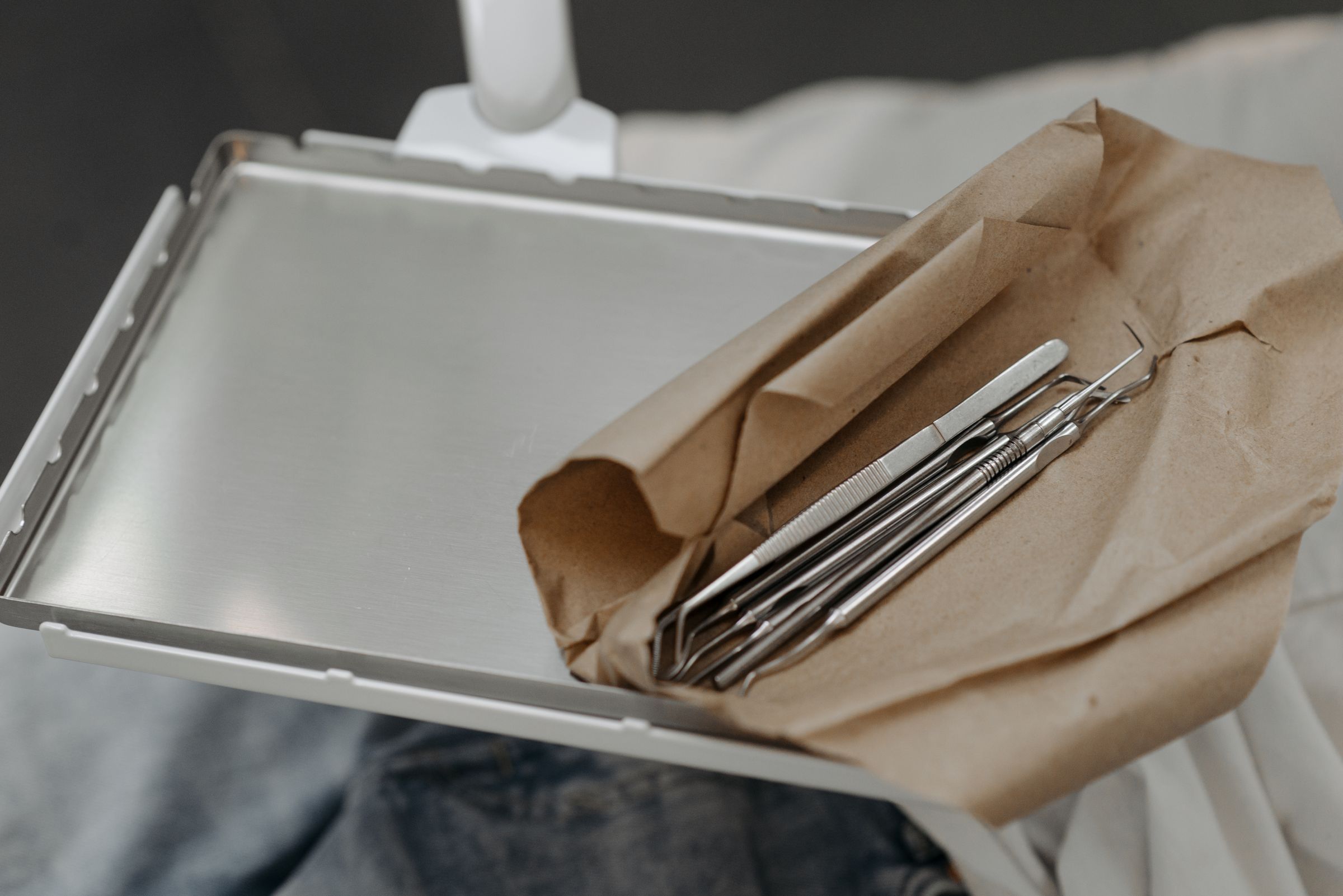
Tooth extraction and oral surgery cover the removal of damaged or problematic teeth—including wisdom teeth—along with other minor surgical procedures inside the mouth.
Last updated:
What it is
Oral surgery refers to dental treatments involving a surgical procedure on the teeth, gums or jawbone. The most common example is removing a tooth, also known as a dental extraction.
Wisdom teeth are the last adult molars at the very back of the mouth, usually appearing during the late teenage years or early twenties. Sometimes the jaw does not have enough room for them to come through properly. When a tooth is blocked or trapped beneath the gum or bone, it is described as impacted and may need to be removed. You can read more on our dedicated pages about wisdom tooth removal and bone grafting and sinus lifts. Your dentist will explain which procedure applies to you and what each step involves.
Who it may be suitable for
Your dentist may recommend a surgical procedure or extraction if:
- a tooth is too severely decayed or fractured to be repaired reliably
- a tooth or the surrounding bone and gum tissue has a persistent infection
- a wisdom tooth is causing pain or recurrent infection, or is unable to come through properly
- removing a tooth is necessary as part of a broader treatment plan, such as preparing for a denture or dental implant
Certain medical conditions and regular medicines—such as blood-thinning medications or bone treatments—can affect oral surgery and healing. Please tell your dentist about your medical history, all medicines you take and any previous medical treatment involving your head or neck. Your dentist may take additional precautions or consult your medical doctor before proceeding. Your dentist assesses all of these factors during your examination.
How the process works
- Examination and x-rays. Your dentist examines your mouth and takes x-rays (or a scan) to see the shape of the roots, the surrounding bone and nearby nerves or sinuses.
- Explanation and plan. Your dentist explains what they have found, outlines the recommended procedure, and discusses possible risks and alternatives. You have plenty of time to ask questions before deciding.
- The procedure. Your dentist carries out the planned procedure. Before starting, they explain what you may feel and how your comfort will be looked after.
- Aftercare instructions. Your dentist explains how to protect the healing area at home and provides written aftercare guidance.
- Healing and review. Your dentist may arrange a follow-up visit to check healing and, if stitches were used, to inspect or remove them.
The number of appointments depends on your individual treatment plan. Your dentist will give you an estimate after your examination.
Possible risks and things to consider
Every surgical procedure carries possible risks. Your dentist will discuss those relevant to your situation before you decide.
- Discomfort, facial swelling, mild bruising and temporary stiffness when opening your mouth are common for a few days after oral surgery.
- Slight oozing or bleeding from the gum can continue for several hours after a tooth is removed.
- As with any wound, an infection can occasionally develop during healing.
- After an extraction, the protective blood clot in the tooth socket can sometimes dislodge or break down early, causing a dull, throbbing ache known as dry socket.
- If a lower tooth sits close to a nerve in the jaw, the nerve can occasionally become bruised or irritated, leading to tingling or altered sensation in the lower lip, chin or tongue. This is usually temporary, though in some cases it can last longer.
- Neighbouring teeth or existing fillings can sometimes be affected during an extraction. When removing upper back teeth, the floor of the sinus cavity above the roots can occasionally be involved.
- Alternatives: leaving a symptom-free tooth in place and monitoring it at check-ups, treating the tooth in another way where possible, or managing symptoms with pain relief and infection control without removal. Your dentist will explain the benefits and limitations of each option, including choosing not to have treatment.
After treatment
Your dentist will give you written aftercare instructions covering how to keep your mouth clean, what to eat and drink while the gum heals, and activities to avoid (such as smoking or vigorous rinsing in the first day). Follow this advice carefully and attend your review appointment. Please contact us if you have questions, if bleeding does not settle, if swelling worsens after a few days or if you develop a fever. For heavy bleeding that you cannot control with firm pressure, please call 112.
Frequently asked questions
Is oral surgery suitable for me?
This depends on your general health and the specific condition of the tooth and surrounding bone. Your dentist will assess your situation during an examination and talk you through the options.
Which procedures do you carry out?
Our procedures include routine and surgical tooth extractions, including wisdom teeth. Your dentist can advise you after an examination whether a specific procedure is suitable and available for your needs.
Will I feel pain during treatment?
Before the procedure starts, your dentist will explain what you may feel and what to expect during the appointment.
How long does recovery take?
Healing times vary from person to person and depend on how straightforward or complex the procedure is. Your dentist will explain what recovery is likely to look like in your case.
Should I stop taking my medicines before surgery?
Never stop taking any prescribed medicine unless your medical doctor or dentist specifically advises you to do so. Simply bring a full list of your regular medicines to your examination so your dentist can plan accordingly.
What are the alternatives?
Your dentist will discuss any alternative ways to manage the tooth, as well as what to expect if you decide against surgery. Each option has its own benefits and limitations.
Guides on this topic
Related treatments
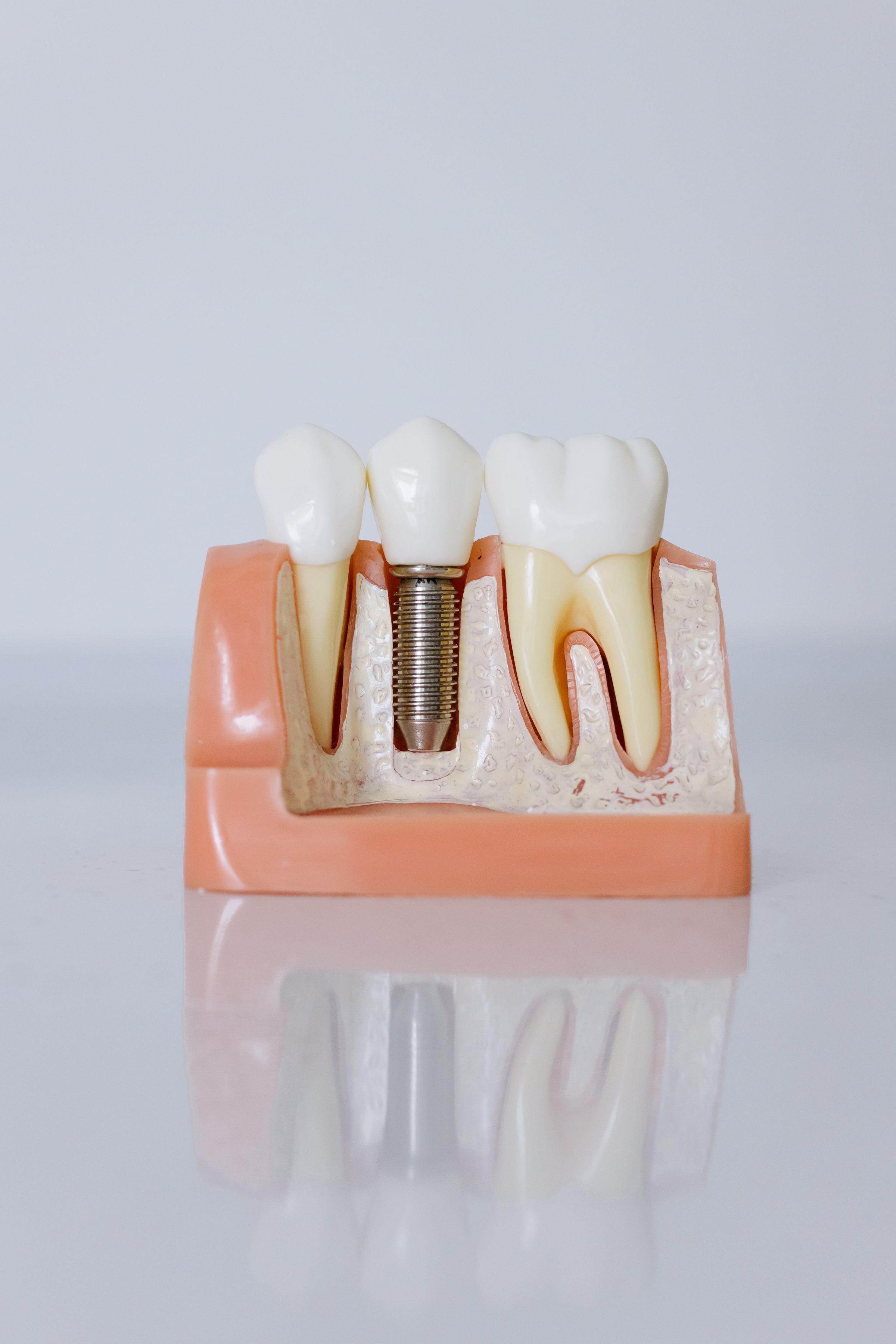
Dental implants
A dental implant is a small post, usually made of titanium, that is placed into the jawbone to support a replacement tooth.
Read more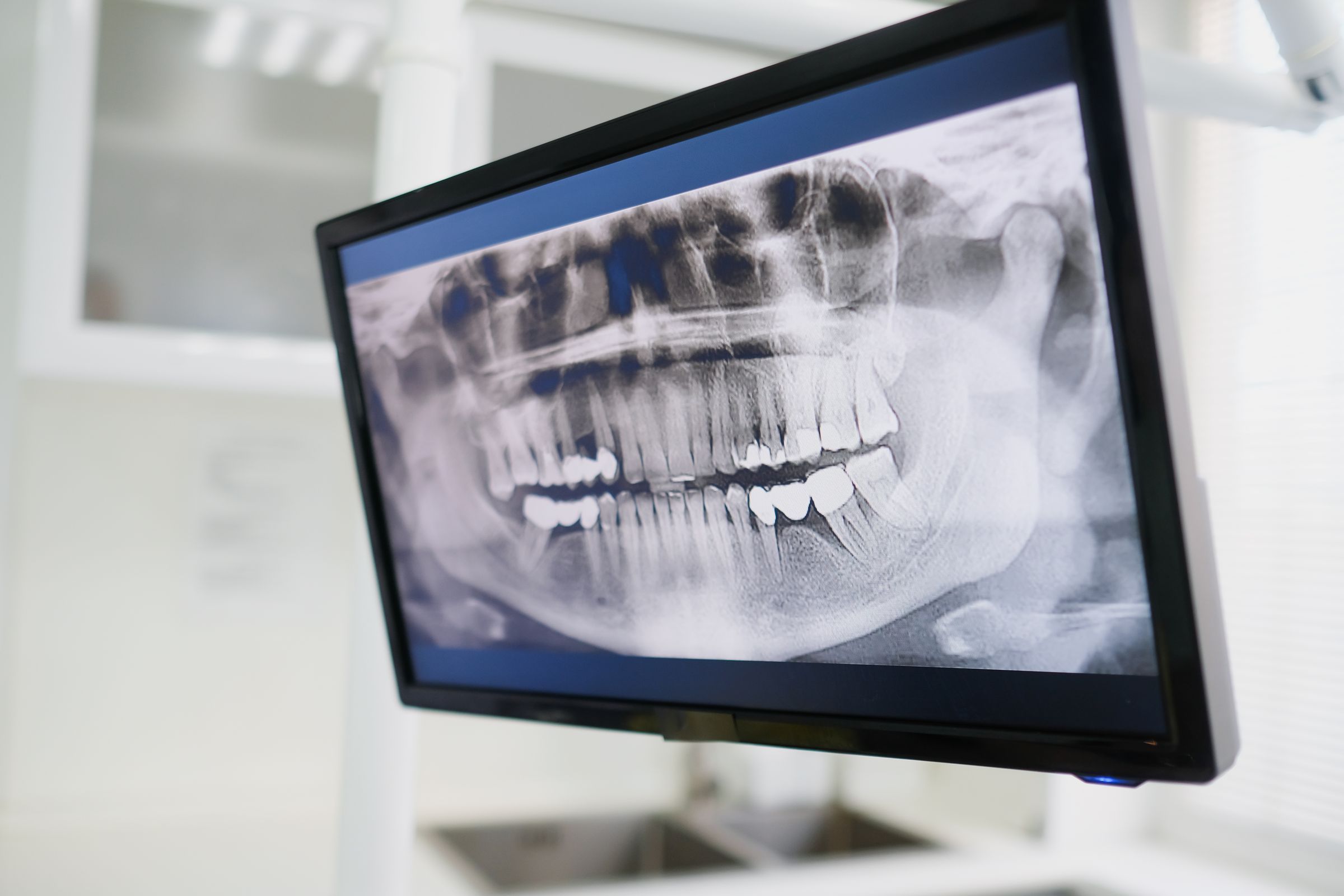
Wisdom tooth removal
Wisdom tooth removal is a surgical or routine procedure to take out one or more of the third molars at the back of the mouth when they cause problems or are likely to do so.
Read more
Bone grafting and sinus lift
Bone grafting and sinus lift procedures are surgical treatments used to build up bone volume in the jaw so that there is enough bone to hold a dental implant.
Read more
Next step
Your dentist assesses your situation during an examination and explains your options. You are welcome to request an appointment.
This page gives general information. It does not replace an examination by a dentist.