

Dental implants
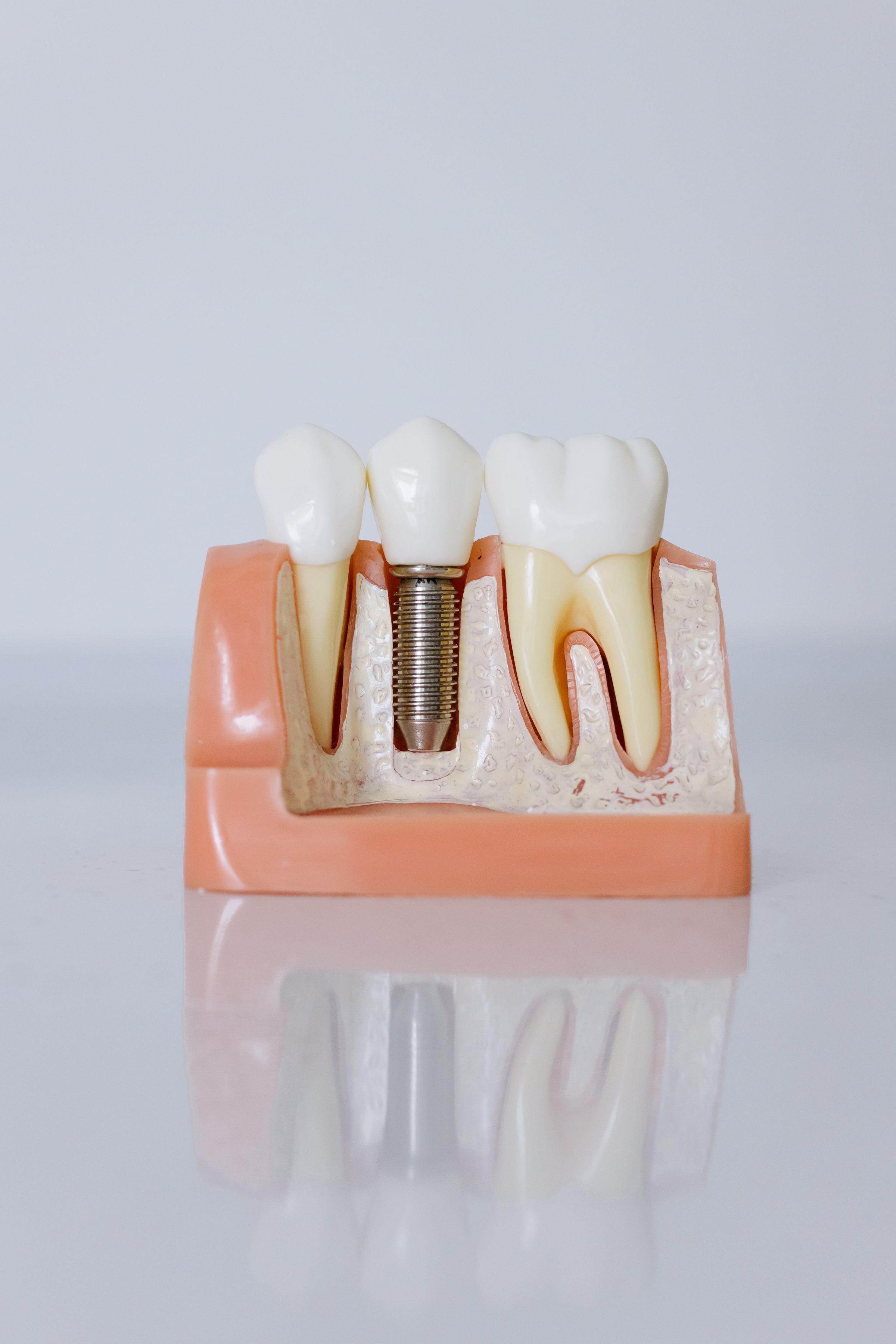
A dental implant is a small post, usually made of titanium, that is placed into the jawbone to support a replacement tooth.
Last updated:
What it is
An implant acts as an artificial replacement for the root of a missing tooth. Titanium is a metal widely used in medical and dental devices. Once the implant is placed in the jawbone, the surrounding bone gradually grows onto its surface during healing. This natural bonding process is called osseointegration.
When the implant is stable in the bone, it can hold a replacement tooth. For a single missing tooth, this is usually a crown—a custom-made cover shaped and coloured like a natural tooth. Implants can also support a dental bridge or a denture. A bridge is a row of replacement teeth joined together and fixed to natural teeth or implants. A denture is a set of replacement teeth that may be removable. Your dentist will explain which option suits your needs.
Replacing a whole jaw of teeth
In some cases, an entire upper or lower jaw of missing teeth can be replaced with a fixed bridge supported by several implants. The number and position of the implants depend on your jawbone and are planned by your dentist after a thorough examination. Because a fixed bridge is secured to the implants, you do not take it out yourself. Your dentist will show you how to clean around it properly. You can read more about full-arch methods on our page about All-on-4 and All-on-6.
Who it may be suitable for
Your dentist may consider dental implants if you have lost one or more teeth, or if a damaged tooth cannot be saved. During your assessment, your dentist will check:
- whether your jawbone has enough volume and strength to hold an implant (you can also read our page on bone grafting and sinus lifts)
- whether your gums are healthy, or if any gum condition needs treating first
- your general health and any regular medicines you take
- whether you are able to maintain thorough daily cleaning at home and attend follow-up visits
Implants are not suitable for everyone. Smoking, certain long-term health conditions and some medicines can affect how the bone and gums heal. Implants are also generally not placed in younger patients whose jawbones are still growing. Your dentist will evaluate all of these factors during your examination.
How the process works
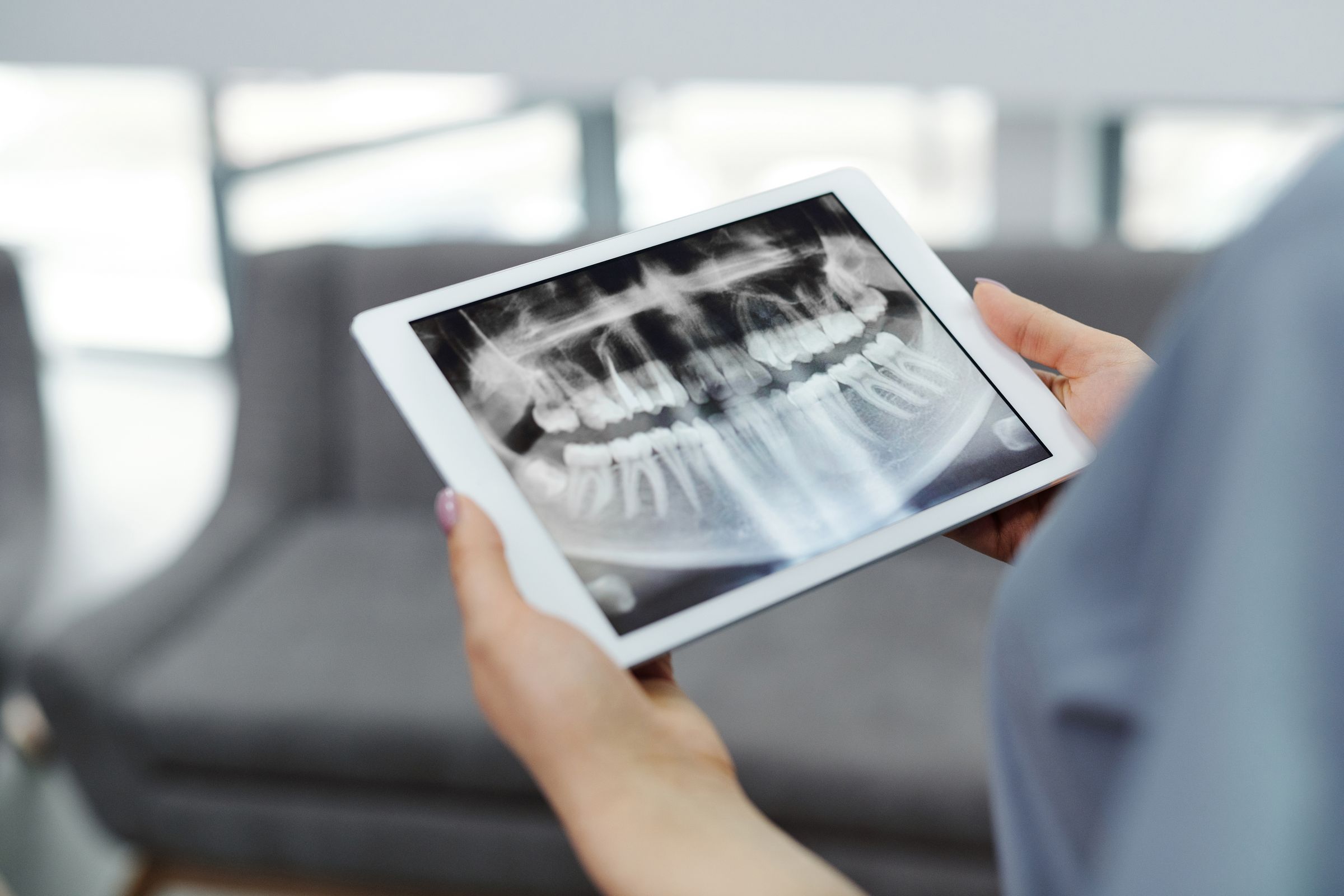
- Examination and planning. Your dentist reviews your medical history, examines your mouth and takes x-rays or a 3D scan. Together, you discuss the options, including non-implant alternatives.
- Preparation, if needed. Your dentist treats any existing gum disease or other dental issues before implant placement.
- Placing the implant. The implant is positioned in the jawbone (see our page on tooth extraction and oral surgery). Before starting, your dentist explains what you may feel and what to expect.
- Healing. The jawbone needs time to bond with the implant. Your dentist will explain how long this healing phase is likely to take in your case.
- Fitting the replacement tooth. Your dentist takes an impression or digital scan of your mouth so your crown, bridge or denture can be made to fit. Once ready, it is attached and your bite is checked.
- Follow-up. Regular check-ups allow your dentist to monitor the health of your gums and the bone around the implant.
The total number of visits depends on your individual treatment plan. Your dentist will give you an estimate after your initial examination.
Possible risks and things to consider
Every surgical and dental procedure carries possible risks. Your dentist will explain the specific considerations for you before you make a decision.
- It is common to experience some discomfort, swelling, bruising or minor bleeding for a few days after the procedure.
- The area around the implant can develop an infection, or healing may take longer than anticipated.
- Occasionally, the bone does not fuse strongly enough with the implant, meaning the implant may need to be removed.
- Peri-implantitis is an inflammation of the gum and bone supporting an implant. Inadequate daily cleaning and smoking increase the risk of this condition.
- Nearby structures—such as nerves, neighbouring teeth or the sinus cavity—can sometimes be affected. Detailed x-rays and scans help your dentist plan the placement.
- Over time, parts of the replacement crown, bridge or attachment can wear or loosen and may need adjustment, repair or replacement.
- How long an implant and the tooth it supports last depends on your general health, your daily cleaning routine and regular dental check-ups.
- Alternatives: a traditional bridge supported by neighbouring teeth, a removable partial or full denture, or leaving the gap unfilled. Each choice has advantages and limitations, which your dentist will discuss with you.
After treatment
Your dentist will provide tailored aftercare instructions covering how to keep the area clean, what to eat while healing and how to take any prescribed medicines. Follow this advice carefully and attend your scheduled check-ups. Please contact us if you have any questions, if swelling or pain worsens, or if the implant or replacement tooth feels loose.
Frequently asked questions
Is a dental implant suitable for me?
Suitability depends on your general health, the health of your gums and the condition of your jawbone. Your dentist will assess these factors during an examination and talk you through your options.
How many visits will I need?
The number of appointments depends on your clinical needs and treatment plan. Your dentist will provide an estimate after examining your mouth and scans.
Will I feel pain during treatment?
Before the procedure begins, your dentist will explain what you may feel and how your comfort will be managed.
How long does an implant last?
There is no fixed lifespan. How well an implant holds up over time depends on your general health, your gum health, how thoroughly you clean around it at home and regular check-ups.
What are the alternatives?
Your dentist will explain other ways to replace a missing tooth, such as a tooth-supported bridge or a removable denture, as well as the option of leaving the space as it is. Each approach has its own pros and cons.
Related treatments
Tooth extraction and oral surgery
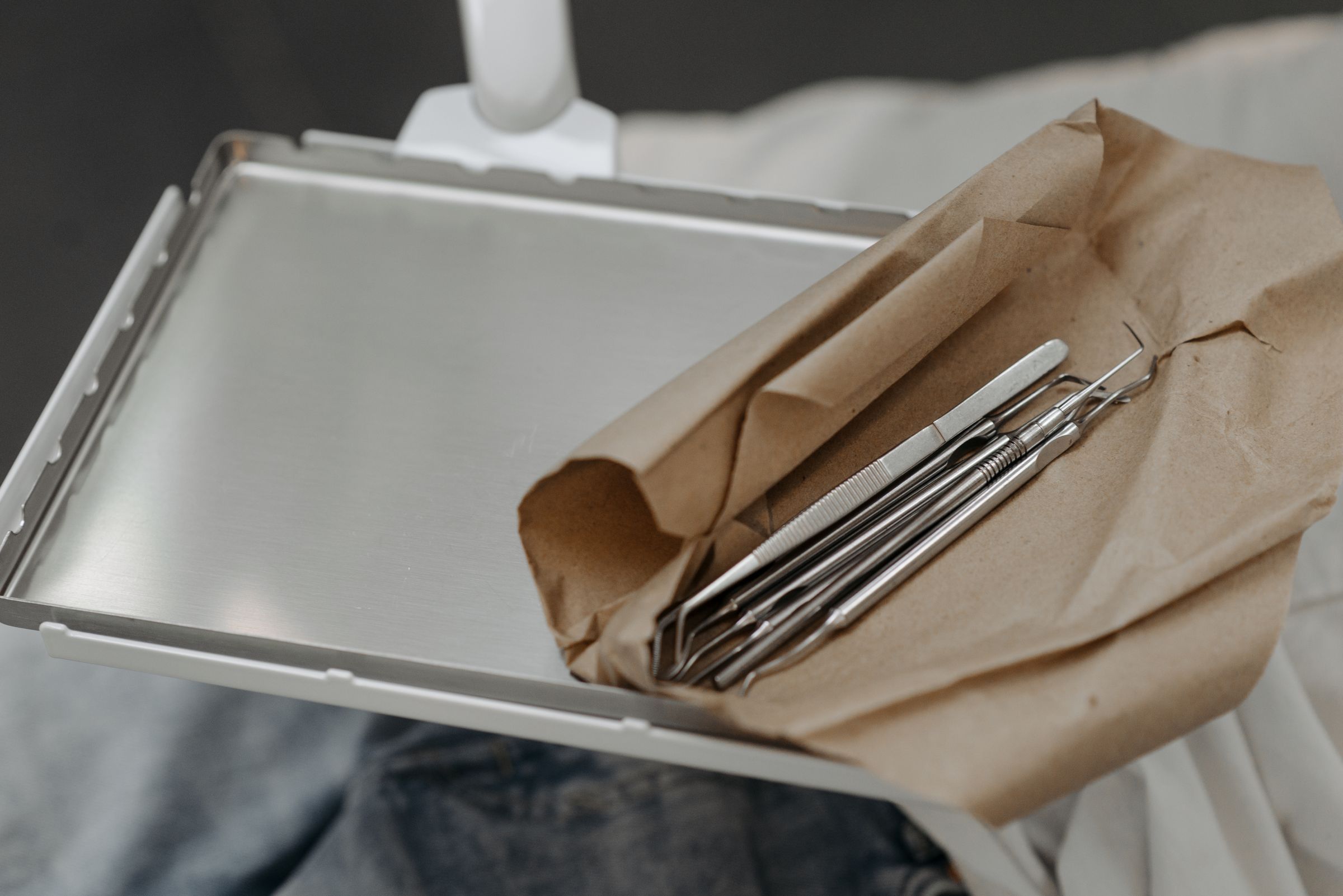
Tooth extraction and oral surgery cover the removal of damaged or problematic teeth—including wisdom teeth—along with other minor surgical procedures inside the mouth.
Read more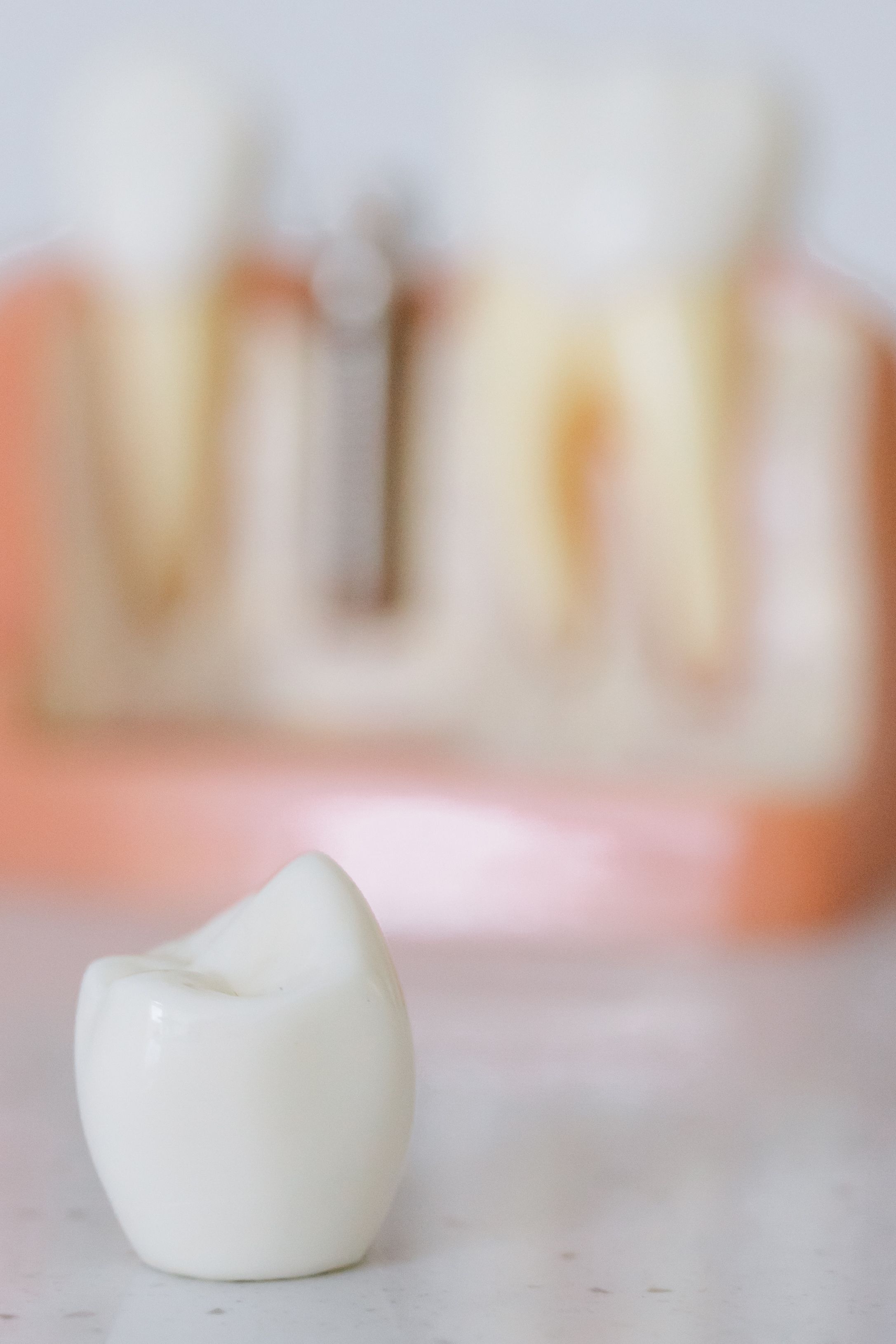
Zirconia and porcelain crowns
Dental crowns and bridges repair damaged teeth or replace missing ones. Zirconia and porcelain are strong, tooth-coloured ceramic materials commonly used to craft them.
Read more
Bone grafting and sinus lift
Bone grafting and sinus lift procedures are surgical treatments used to build up bone volume in the jaw so that there is enough bone to hold a dental implant.
Read more
Next step
Your dentist assesses your situation during an examination and explains your options. You are welcome to request an appointment.
This page gives general information. It does not replace an examination by a dentist.