

Implant or bridge? Options for a missing tooth
A missing tooth can be replaced with a dental implant, a fixed bridge or a removable denture—or, in some cases, the gap can simply be left as it is. Each option has its own advantages and limits, and what suits you depends on your remaining teeth, gums, jawbone and general health. Your dentist will explain your options after a clinical examination.
Last updated:
What are the options?
A dental implant
A dental implant is a small post, usually made of titanium, that is placed into the jawbone to support a replacement tooth (crown). Because it stands on its own, it does not rely on the teeth next to the gap. However, an implant requires enough healthy jawbone and healthy gums, as well as a healing period before the final tooth is attached. You can learn more on our dental implants page.
A bridge
A dental bridge consists of a replacement tooth joined to crowns that fit over the natural teeth on either side of the gap. Once cemented, a bridge is fixed in place and cannot be taken out. To fit a bridge, the neighbouring teeth need to be shaped to hold the supporting crowns, and those teeth must have strong roots and healthy gums. You can read more on our crowns and bridges page.
A removable denture
A partial denture replaces one or more missing teeth and can be taken out for cleaning. Fitting a denture usually does not require surgery. It rests directly on your gums, and some designs use small clasps to hold onto your remaining natural teeth. Because it is removable, a denture may feel less stable than fixed options. Find out more on our dentures page.
No replacement
In some situations—such as a gap far back in the mouth where you can still chew comfortably—leaving the space unfilled may be a reasonable choice. Over time, however, an open gap can allow neighbouring or opposing teeth to drift or tilt, changing how your teeth meet when you bite. Your dentist will explain what is likely to happen in your specific case.
What are the advantages and limits?
- Implant
- leaves the neighbouring teeth untouched; requires a minor surgical procedure, sufficient bone and healing time; needs thorough daily cleaning and regular check-ups.
- Bridge
- usually involves fewer clinical steps and no surgery; requires shaping the natural teeth next to the gap; cleaning underneath the replacement tooth requires extra care and special floss.
- Denture
- typically requires no surgery and can be adjusted or added to later; can feel less secure than a fixed tooth, and may need relining or replacing as your gums change shape over time.
- No replacement
- involves no dental procedure; neighbouring teeth may gradually shift and your bite may change.
All dental restorations can require maintenance, repair or replacement over the years. How long any option serves you well depends on your general health, your daily home care and regular dental check-ups.
What does the choice depend on?
- the position of the missing tooth and the health of the teeth on either side
- the volume and quality of the bone in your jaw
- the health of your gums
- your overall medical health, any regular medications and whether you smoke
- your personal preference for a fixed tooth versus a removable appliance
- how easily you can maintain daily cleaning around the restoration and attend check-ups
How is the decision made?
Your dentist examines your teeth and gums, takes x-rays or a 3D scan if needed, talks you through the suitable options and answers your questions. You and your dentist then make the decision together—including the option of not replacing the tooth.
Does age or general health matter?
Dental implants are generally not placed while the jawbones are still growing, so they are mainly considered for adults. Certain medical factors—such as uncontrolled diabetes, heavy smoking, specific bone medications or previous radiotherapy to the head and neck—can affect how bone heals. Bridges and dentures also rely on having healthy supporting teeth and gums. Your dentist assesses all of these factors during your examination.
When to see a dentist
If you have lost a tooth or been told that a tooth needs to be extracted, book an appointment with a dentist to explore your options early. This guide provides general information only and does not replace a clinical examination by a dentist.
Related treatments
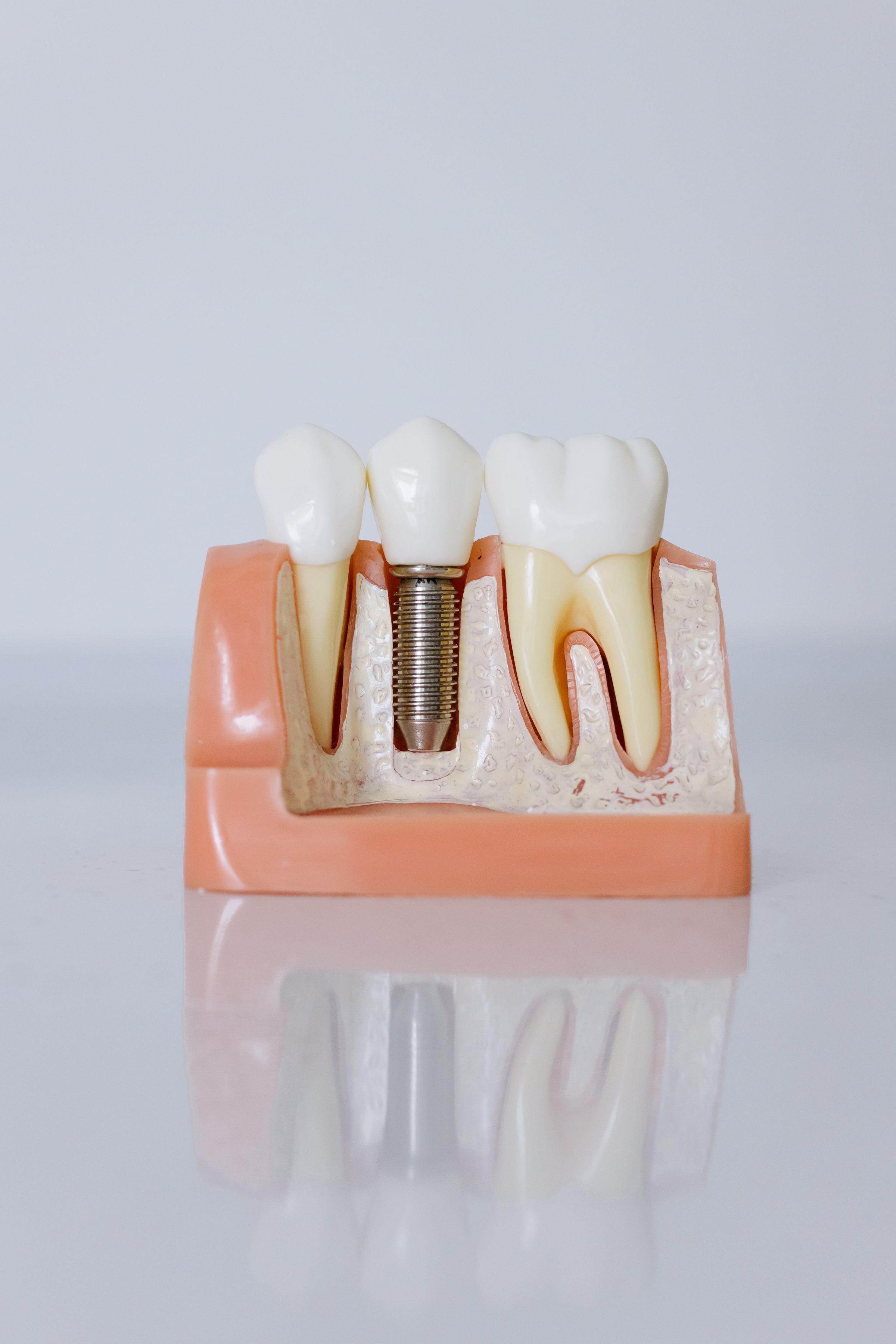
Dental implants
A dental implant is a small post, usually made of titanium, that is placed into the jawbone to support a replacement tooth.
Read more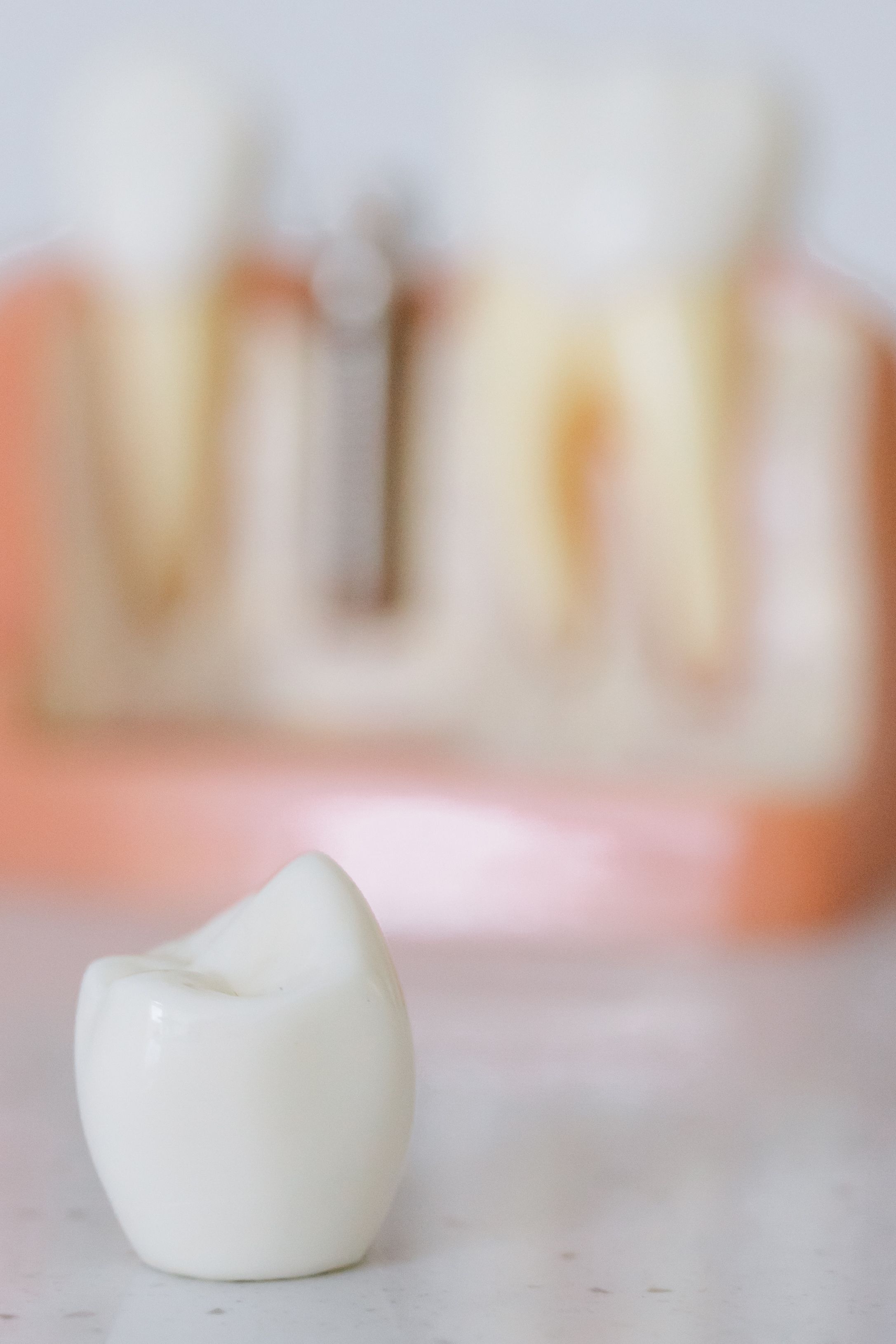
Zirconia and porcelain crowns
Dental crowns and bridges repair damaged teeth or replace missing ones. Zirconia and porcelain are strong, tooth-coloured ceramic materials commonly used to craft them.
Read more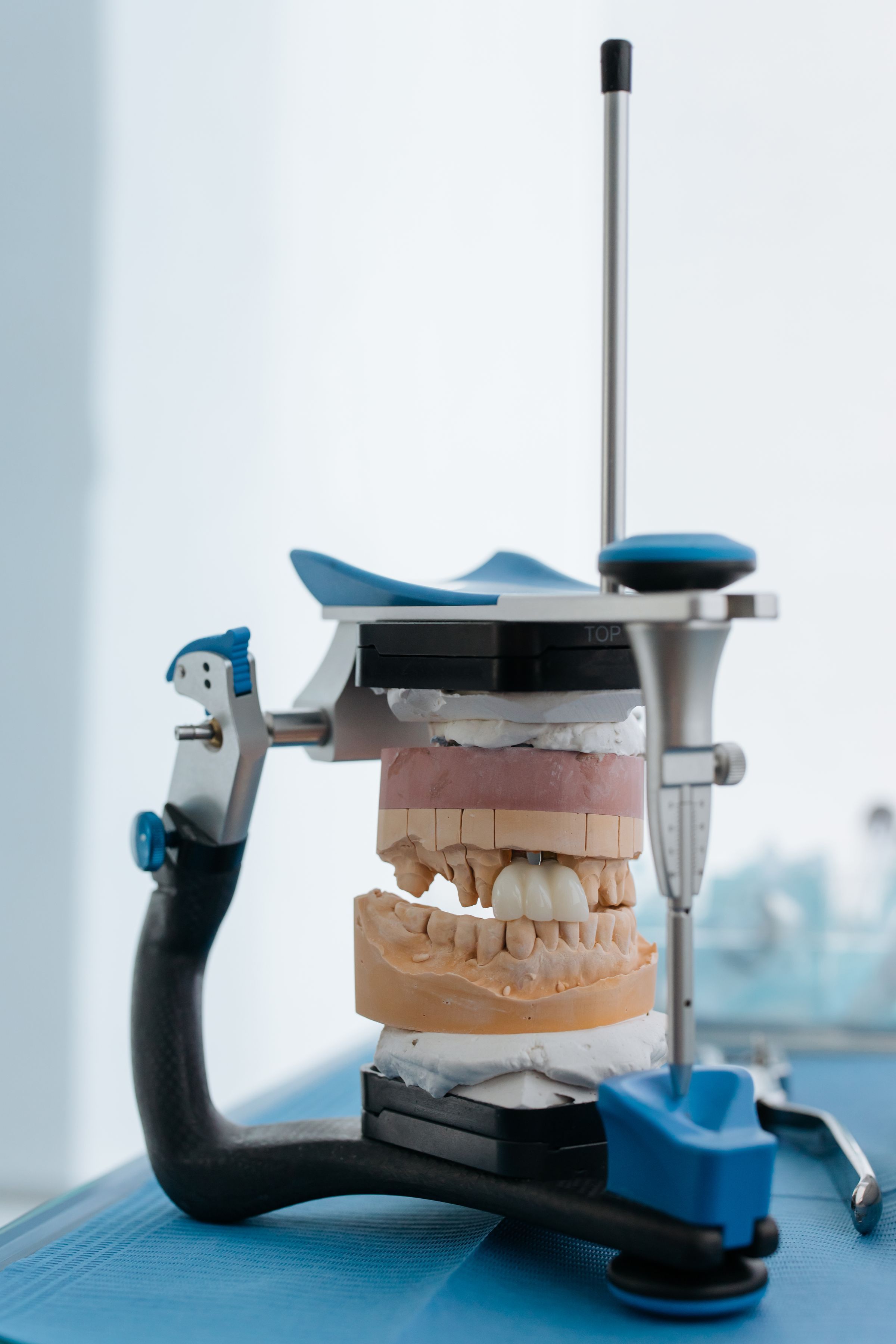
Dentures
A denture is a custom-made set of replacement teeth designed to replace some or all of the missing teeth in a jaw. Most dentures can be taken out for cleaning.
Read more
Plan your visit
Request an appointment for a time that suits you. We reply during our opening hours.
This page gives general information. It does not replace an examination by a dentist.