

Dentures
A denture is a custom-made set of replacement teeth designed to replace some or all of the missing teeth in a jaw. Most dentures can be taken out for cleaning.
Last updated:
What it is
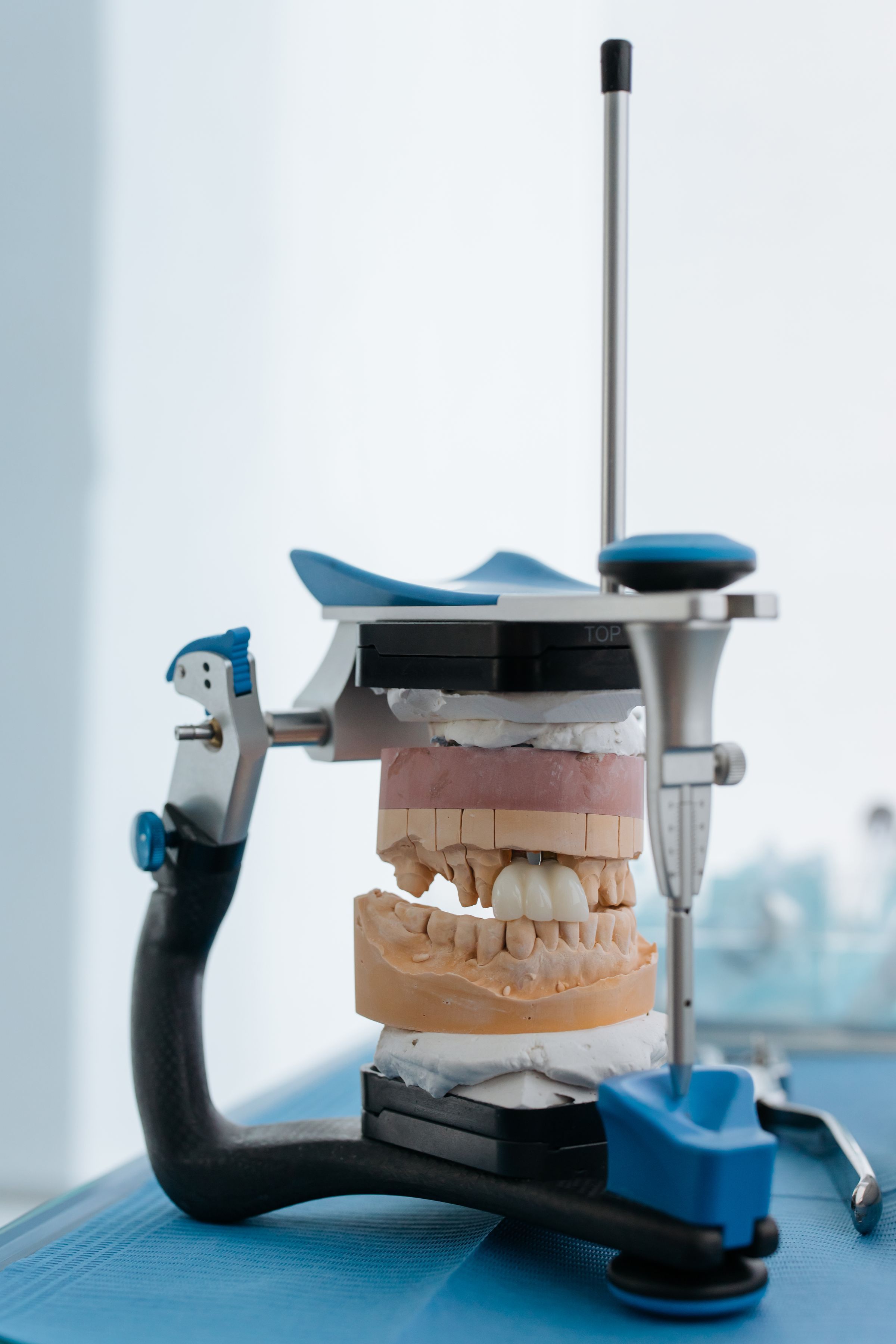
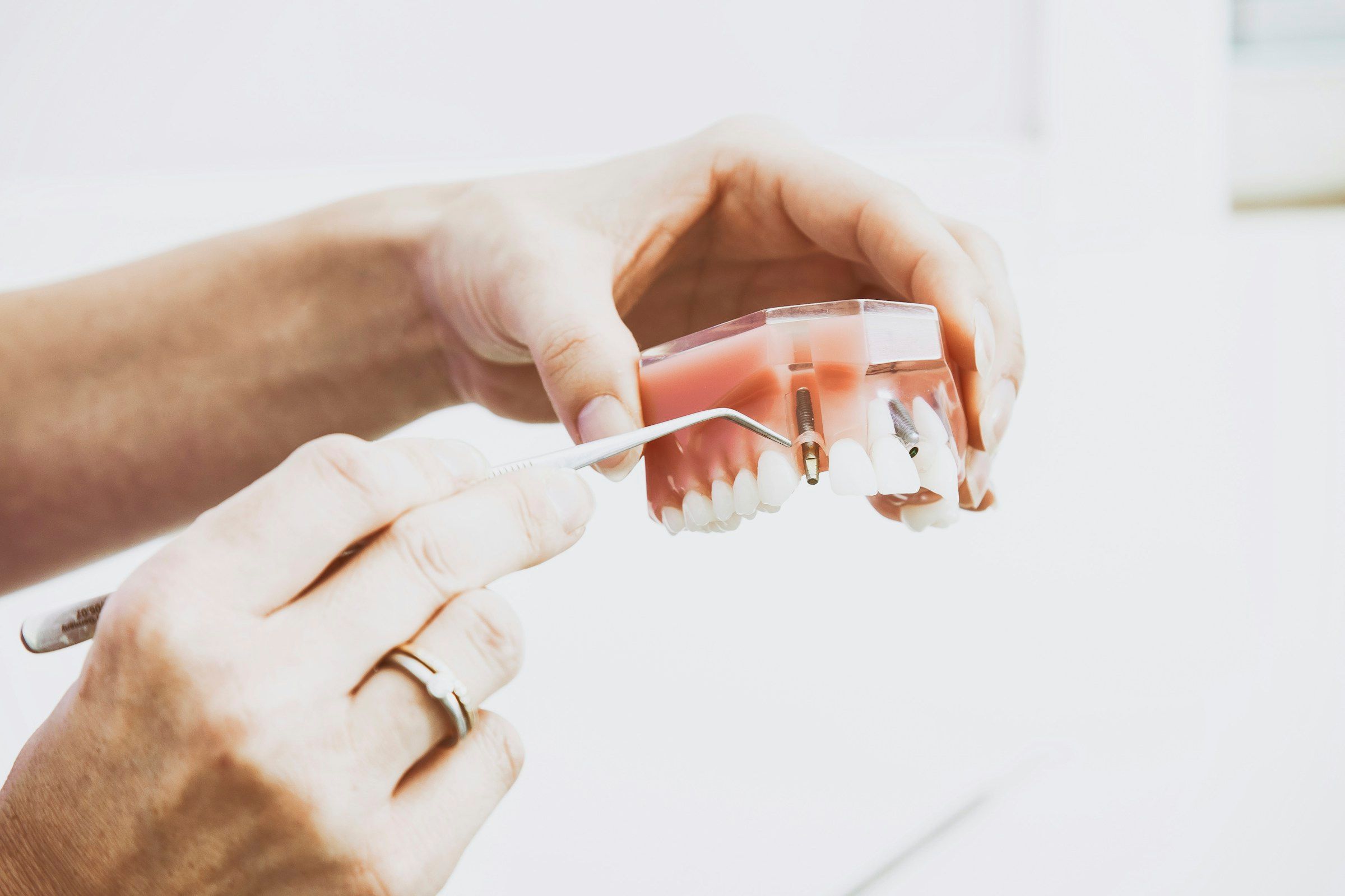
A denture is crafted to fit the shape of your mouth. It consists of artificial teeth set into a gum-coloured base that rests on your gums. Depending on the type, it may stay in place through natural suction, clasps around remaining teeth or attachments on dental implants.
What is a complete denture?
A complete denture—often called a full denture—replaces all of the teeth in either the upper or lower jaw. It rests directly on your gums and stays in place through a close fit against the gum tissue. Some people also choose to use a denture adhesive for extra stability.
What is a partial denture?
A partial denture fills the gaps left by one or more missing teeth. It uses small clasps or attachments to hold gently onto your remaining natural teeth.
What is an implant-supported removable denture?
This type of denture clips onto dental implants placed in your jawbone, while still allowing you to unclip and remove it for daily cleaning. The implants provide firmer support than resting on the gums alone. Your dentist will explain whether this option is suitable for you.
How is a denture different from fixed teeth on implants?
You remove a denture every day for cleaning and rest. By contrast, a fixed bridge on implants stays attached in your mouth and is only removed by a dentist if needed. You can read more on our pages about dental implants and All-on-4 and All-on-6.
Who it may be suitable for
Your dentist may discuss dentures with you if you:
- have lost several or all of your teeth in one or both jaws
- have damaged teeth that cannot be saved and need to be extracted
- prefer a removable restoration, or have medical or jawbone conditions that make fixed implants less suitable
During your visit, your dentist checks your gums, any remaining teeth, your jawbone, how your jaws meet and your general health to see what will work for you.
How the process works
- Examination. Your dentist examines your mouth and may take x-rays to check your teeth and jawbone.
- Explanation and plan. Your dentist talks you through the suitable denture types, the steps involved and the limitations of each, along with non-denture alternatives.
- Preparation, if needed. If any teeth cannot be kept, they are removed first, and your gums are given time to heal.
- Impressions. Your dentist takes detailed moulds (impressions) or digital scans of your gums and any remaining teeth.
- Trial fittings. A trial model is used to check the fit, bite and appearance so adjustments can be made before the final denture is finished.
- Fitting. Your completed denture is placed and your bite is checked. Your dentist shows you how to put it in, take it out comfortably and keep it clean.
- Follow-up. Follow-up appointments allow your dentist to make minor adjustments if any tender spots develop.
The number of appointments depends on your treatment plan. Your dentist will give you an estimate after your initial examination.
Possible risks and things to consider
Every dental treatment carries certain considerations. Your dentist will explain those that apply to you before you make a decision.
- A new denture often feels unfamiliar at first. Speaking clearly and chewing comfortably can take some time and practice, and your dentist will explain what to expect.
- Mild sore spots on the gums are common in the early days and can usually be relieved by adjusting the denture at the clinic.
- Because your gums and the bone beneath them naturally change shape over time, a denture can gradually become loose. It may eventually need relining—adding material to the inner surface for a better fit—or replacing.
- Dentures can wear down or break if dropped, and they may occasionally need repair.
- If a denture is not cleaned thoroughly each day, gum irritation or a fungal infection can develop beneath it.
- Wearing a denture does not remove the need for daily oral hygiene, and regular dental check-ups remain important.
- Alternatives: fixed bridges supported by natural teeth, dental implants, implant-supported dentures, or leaving the spaces unfilled. Each option has benefits and limitations, which your dentist will discuss with you.
After treatment
Your dentist will give you practical advice on looking after your denture and your mouth. Brush your denture daily using a soft brush and a denture cleaner recommended by your dentist. Take it out for cleaning and to let your gums rest as advised. Keep your gums, tongue and any natural teeth clean as well, and attend your check-ups. Please contact us if you have questions, if your denture feels loose or if a sore spot does not settle.
Frequently asked questions
How long does it take to get used to a denture?
This varies from person to person. Most people need several days or a few weeks to feel comfortable speaking and eating with a new denture. Your dentist can make small adjustments to improve the fit as your mouth adapts.
Can I eat normally with a denture?
Once you are used to your denture, you should be able to eat a wide range of foods. Your dentist may suggest starting with softer foods cut into small pieces while you practise chewing evenly.
How do I clean a denture?
Remove the denture from your mouth, brush it gently with a soft brush and a recommended denture cleaner, and rinse it well. Avoid using hot water, as heat can warp the base. Remember to clean your gums and any remaining teeth too.
What is relining?
Relining is a procedure that adds a fresh layer of material to the underside of your existing denture so it fits snugly against your gums again. Your dentist will let you know when a reline would be helpful.
How long does a denture last?
There is no fixed timeframe. How long a denture serves you well depends on how your gums and jawbone change over time, your daily care routine and regular check-ups. Most dentures need periodic adjustment and eventual replacement.
Is an implant-supported denture right for me?
This depends on the volume of your jawbone, the health of your gums and your general medical history. Your dentist will assess these factors during an examination and explain your options.
Guides on this topic
Related treatments
Dental implants
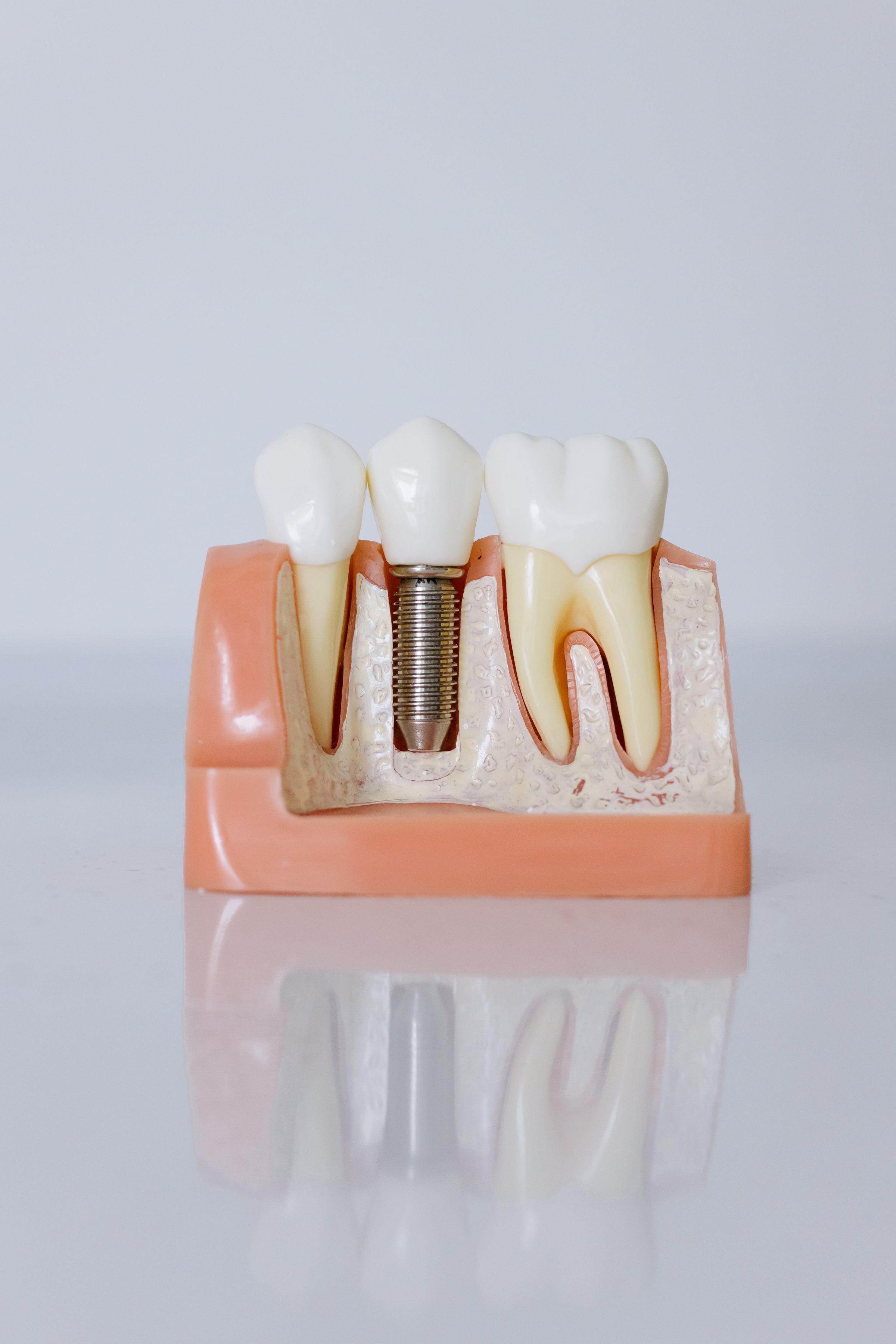
A dental implant is a small post, usually made of titanium, that is placed into the jawbone to support a replacement tooth.
Read more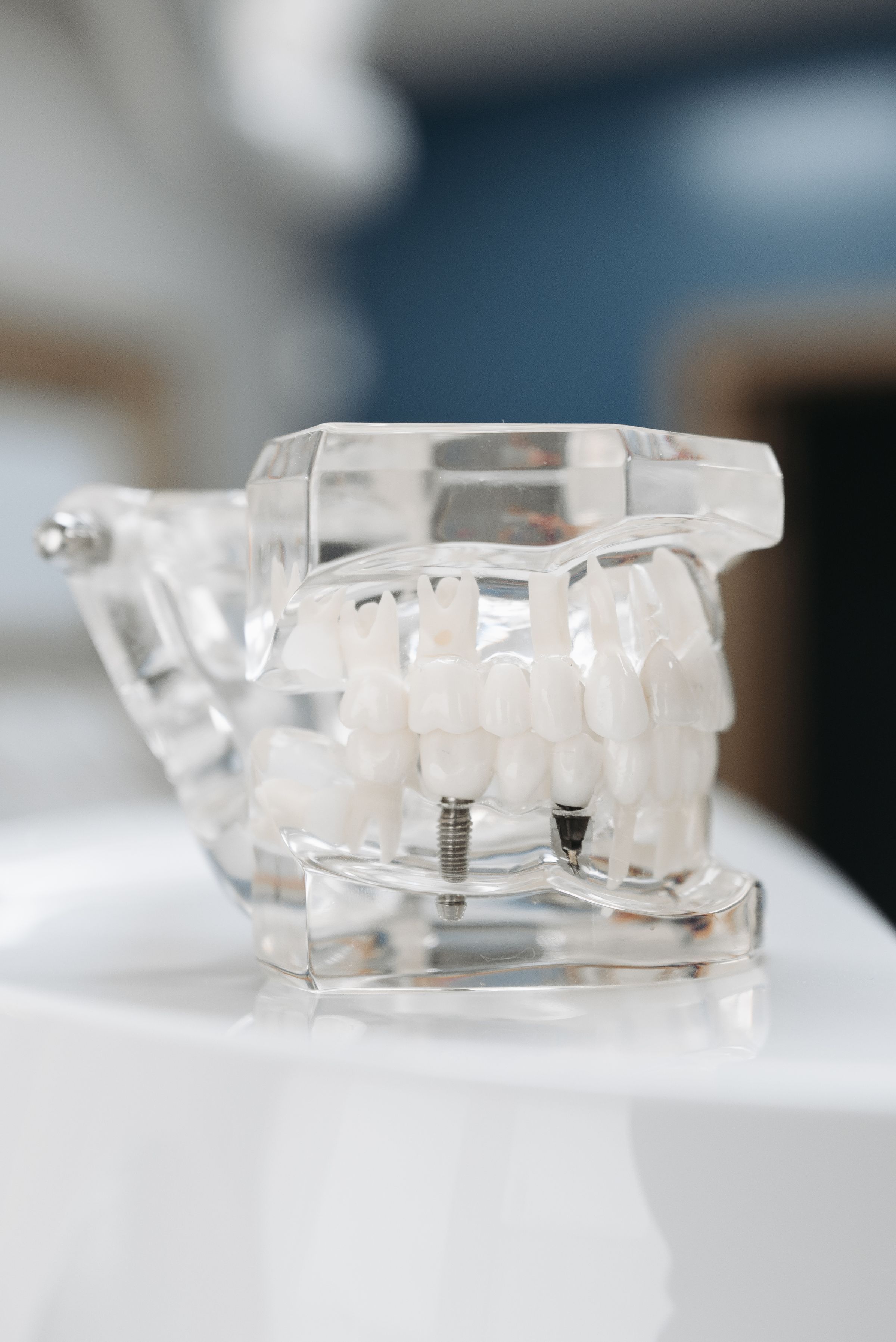
All-on-4 and All-on-6: full-arch fixed teeth on implants
All-on-4 and All-on-6 are treatment methods used to replace all the missing teeth in an upper or lower jaw with a single fixed bridge supported by four or six dental implants.
Read more
Tooth extraction and oral surgery
Tooth extraction and oral surgery cover the removal of damaged or problematic teeth—including wisdom teeth—along with other minor surgical procedures inside the mouth.
Read more
Next step
Your dentist assesses your situation during an examination and explains your options. You are welcome to request an appointment.
This page gives general information. It does not replace an examination by a dentist.